HOPEX AI Journal
Make Better Music. Know More.
Explore production techniques, creative workflows, music technology and practical guides designed to help you create your best music.
 FeaturedFL Studio
The Best Free Plugins for FL Studio (That Don’t Sound Free)
The free VST plugins worth installing in FL Studio: Vital, Surge XT, TDR Nova, Valhalla Supermassive and more — plus the stock plugins that already beat them.
 HOPEX1 min read
Read article
Latest articles
 Beatmaking
808 Sound Design: Make Your Own 808 From Scratch
Design your own 808: sine oscillator and pitch envelope, the attack click, decay and glide, distortion for character, tuning and turning it into a playable instrument.
 AI Music
8D Audio Explained (and How to Make It)
What 8D audio really is, why it only works on headphones, how it is made with panning, reverb and binaural processing, and how to make one that sounds good.
 Ableton
 Automation Guide: Draw, Record and Shape Movement
Bring Ableton tracks to life with automation: showing lanes, drawing and recording automation, curves, clip envelopes versus arrangement automation, and ideas that work.
 Ableton
 CPU Tips: Fix Crackles, Dropouts and Overloads
Stop crackles and dropouts in Ableton Live: buffer size, sample rate, freezing and flattening, heavy devices, return tracks, plugin settings and system tweaks.
 Ableton
How to Export Stems From Ableton Live
Export stems from Ableton Live for engineers, collaborators and beat clients: preparing tracks and groups, Export Audio settings, return tracks, tails and checks.
 Ableton
 Groove Pool: Add Swing and Feel to Any Clip
Use Ableton's Groove Pool to add swing and human feel: applying grooves, the base, quantize, timing, random and velocity controls, extracting grooves and committing them.
Popular guides
What producers read most.
- Music theorySong Structure Explained: Verse, Hook, Bridge & Why They Work

- VocalsAutotune Settings Explained: Natural, Hard, or T-Pain
- FL StudioFL Studio Lagging? 10 Ways to Fix CPU Overload & Crackling
- FL StudioThe Right FL Studio Export Settings (Streaming, Mixing & MP3)
- FL StudioHow to Make 808 Slides in FL Studio (Portamento Done Right)
Explore by topic
Essential guides
Start here: the fundamentals every producer should know.
- Music theoryMusic Theory for Producers: The 20% You Actually Need2 min read
- MixingA Beginner's Mixing Checklist: 10 Steps in the Right Order1 min read
- MixingGain Staging Explained: The Boring Step That Fixes Everything2 min read
- MixingEQ Cheat Sheet: What Every Frequency Range Actually Does2 min read
- BeatmakingBeat Arrangement 101: From 8-Bar Loop to Full Track2 min read
- WorkflowHow to Actually Finish Your Beats (Beat the 8-Bar Loop Curse)2 min read
All articles
Beatmaking808 Sound Design: Make Your Own 808 From Scratch
Design your own 808: sine oscillator and pitch envelope, the attack click, decay and glide, distortion for character, tuning and turning it into a playable instrument.
AI Music8D Audio Explained (and How to Make It)
What 8D audio really is, why it only works on headphones, how it is made with panning, reverb and binaural processing, and how to make one that sounds good.
AbletonAbleton Automation Guide: Draw, Record and Shape Movement
Bring Ableton tracks to life with automation: showing lanes, drawing and recording automation, curves, clip envelopes versus arrangement automation, and ideas that work.
AbletonAbleton CPU Tips: Fix Crackles, Dropouts and Overloads
Stop crackles and dropouts in Ableton Live: buffer size, sample rate, freezing and flattening, heavy devices, return tracks, plugin settings and system tweaks.
AbletonHow to Export Stems From Ableton Live
Export stems from Ableton Live for engineers, collaborators and beat clients: preparing tracks and groups, Export Audio settings, return tracks, tails and checks.
AbletonAbleton Groove Pool: Add Swing and Feel to Any Clip
Use Ableton's Groove Pool to add swing and human feel: applying grooves, the base, quantize, timing, random and velocity controls, extracting grooves and committing them.
 Ableton
 MIDI Effects: Arpeggiator, Chord, Scale and More
How Ableton Live's MIDI effects turn simple notes into chords, arps and evolving patterns: Arpeggiator, Chord, Scale, Random, Note Length, Velocity and Pitch.
 Ableton
 Racks and Macros: Build Your Own Instruments and Chains
Instrument, Audio Effect, MIDI Effect and Drum Racks explained: chains, parallel processing, the chain selector, macro mapping and saving racks you can reuse.
 Ableton
How to Record Vocals in Ableton Live
Record clean vocals in Ableton Live: input setup, levels, monitoring without latency, punch-ins, loop recording with take lanes and comping the best performance.
 Ableton
 Session View: How to Jam, Sketch and Build Songs
Use Ableton Live's Session View properly: clips and scenes, launch quantization, launch modes, follow actions, capturing ideas and recording into the Arrangement.
 Ableton
 Simpler Guide: Classic, One-Shot and Slice Modes
Get creative with Ableton's Simpler: when to use Classic, One-Shot and Slice modes, warping inside Simpler, envelopes and filters, and quick sampling tricks.
 Ableton
 Stock Audio Effects Every Producer Should Know
The Ableton Live audio effects worth learning first — EQ Eight, Compressor, Glue Compressor, Saturator, Utility, Auto Filter, Reverb, delays and Limiter — and what each is for.
 Mixing
Acoustic Treatment at Home: What Actually Works
Treat a bedroom studio on a budget: speaker placement first, then reflection points and bass traps, why thin foam is not enough, and what to do for vocals.
 AI Music
AI and Music Copyright: The Basics for Producers
Copyright basics when you use AI in music: human authorship, AI on your own songs versus other people's, telling your distributor and keeping records.
 Mixing
Automation in Mixing: The Step That Makes Mixes Feel Alive
Why automation is the final step that makes mixes feel professional: vocal rides, section-based levels, effect throws, filter moves and how to automate without overdoing it.
 Tempo & Keys
Beatmatching Basics: How DJs Mix Two Songs Together
Learn beatmatching: finding BPM, matching tempo with the pitch fader, aligning the beats, phrasing on 8, 16 and 32 bars, key lock, harmonic mixing and practice tips.
 Workflow
How to Set Up a Home Studio on a Budget
What you really need for a home studio on a budget — computer, DAW, headphones or monitors, interface, microphone and a little treatment — in the order to buy them.
 Mixing
Bus Processing Explained: Drum Bus, Music Bus and Mix Bus
What buses are, why producers route groups of tracks together, and how to use compression, saturation and EQ on the drum bus, music bus, vocal bus and mix bus.
 Music theory
The Circle of Fifths Explained for Producers
The circle of fifths in plain language: how it is built, how it shows key signatures and related keys, how to use it to find chords that work and to change key smoothly.
 Vocals
Creative Vocal Effects: Telephone, Distortion, Formant and More
Make vocals stand out with creative effects: telephone and radio EQ, distortion, pitch and formant shifting, reverse reverb, stutters, vocoders and when to use each.
 Music theory
Diminished and Augmented Chords: Adding Tension and Drama
What diminished and augmented chords are, how they are built, why they sound tense, and simple ways to use them as passing chords, dramatic moments and dark textures.
 Mixing
Dithering Explained: When (and When Not) to Dither
What dithering is, why reducing bit depth causes quantisation distortion, when to apply dither (only once, at the final export to a lower bit depth), and common mistakes.
 Vocals
Dynamic vs Condenser Microphones for Vocals
The real differences between dynamic and condenser microphones, why a dynamic mic often wins in untreated home studios, USB versus XLR, and how to choose.
 Mixing
Ear Fatigue and Hearing Protection for Producers
Why your mix sounds different after two hours, how loud is too loud, the breaks and listening levels that keep your ears fresh, and protecting your hearing for life.
 Business
Email Lists for Musicians: Why and How
Why every artist and producer needs an email list, how to get the first subscribers, what to send and how often, and the consent rules to follow.
 FL Studio
How to Save, Back Up and Recover FL Studio Projects
Never lose a beat again: save new versions, use FL Studio's backup folder, export zipped loop packages with samples, and keep an off-computer backup routine.
 FL Studio
12 FL Studio Beginner Mistakes (and How to Fix Them)
The mistakes almost every new FL Studio producer makes — from routing and clipping to pattern chaos and unfinished loops — and the quick fix for each one.
 FL Studio
The FL Studio Channel Rack Explained
Everything the FL Studio Channel Rack does: the step sequencer, channel settings, graph editor, swing, filter groups, layering and routing channels to the mixer.
 FL Studio
How to Chop Samples in FL Studio
Three ways to chop samples in FL Studio — in the Playlist, in a sampler channel and with Slicex — plus how to play the chops, avoid clicks and flip them creatively.
 FL Studio
How to Export Stems From FL Studio
Export clean stems from FL Studio for mixing engineers, collaborators and beat sales: routing first, split mixer tracks, the right settings, and checks before you send.
 FL Studio
How to Make Hi-Hat Rolls in FL Studio
Program trap and drill hi-hat rolls in FL Studio: grid settings for triplets and fast rolls, the Chop tool, velocity ramps, pitch rises and keeping rolls musical.
 FL Studio
How to Install VST Plugins in FL Studio
Install VST and VST3 plugins in FL Studio step by step: where to put them, scanning with the plugin manager, adding favourites, and fixing plugins that will not show up.
 FL Studio
Arranging in the FL Studio Playlist: A Faster Workflow
Turn a loop into a full song in FL Studio's Playlist: organising tracks, pattern clips, markers, making clips unique, slicing, and arrangement moves that keep energy up.
 FL Studio
Mixing With FL Studio Stock Plugins Only
You can mix a full beat with FL Studio's own plugins. Which stock EQ, compressor, limiter, reverb, delay and utility plugins to reach for, and how to use them.
 FL Studio
How to Make Transitions in FL Studio (Risers, Sweeps and Impacts)
Make smooth section changes in FL Studio: white-noise risers, filter sweeps, reverse cymbals, drum fills, impacts, drop-outs and tape stops — built with stock tools.
 Business
How to Build a Fanbase as an Independent Artist
Build a fanbase without a label: a clear identity, regular releases, short-form content, talking to every early fan and owning a direct line to them through email.
 AI Music
How to Clean Up Vocal Recordings with AI
Fix a noisy home vocal: what AI vocal cleanup removes (hiss, hum, room sound), what it cannot fix, how to get the best result and where it fits in your vocal chain.
 Vocals
How to Comp Vocals: Build the Perfect Take
Vocal comping step by step: recording enough takes, listening and marking the best phrases, building the comp, smoothing edits with crossfades and keeping the emotion.
 Mixing
How to Fix a Harsh Mix
Why mixes sound harsh and tiring, where harshness lives, and how to fix it with targeted EQ, dynamic EQ, de-essing, better saturation choices and a calmer arrangement.
 Workflow
How to Get Useful Feedback on Your Music
Get feedback that actually improves your tracks: who to ask, the specific questions to ask, how to read it without taking it personally and when to ignore it.
 Business
How to Grow a YouTube Channel as a Producer
Grow a producer channel on YouTube: videos beyond type beats, thumbnails and titles that get clicks, Shorts, a schedule and turning viewers into buyers.
 Vocals
How to Improve Your Rap Flow
Improve your rap flow: finding the pocket, counting syllables, switching cadences, using rests and triplets, rhyme placement, breath control and practice routines.
 Beatmaking
How to Layer Synths for Bigger Sounds
Layer synths properly: giving each layer a job, splitting by frequency and stereo, matching envelopes, avoiding phase problems, and grouping layers into one instrument.
 Beatmaking
How to Make Your Drop (or Hook) Hit Harder
Make drops and hooks feel huge: contrast with the section before, tension in the build, the pre-drop gap, impacts, width, low-end return and loudness tricks that work.
 Mixing
How to Make Your Mix Louder (Without Ruining It)
Get a louder mix cleanly: control the low end, tame peaks before the master, use saturation and clipping wisely, balance dynamics and know when loud enough is enough.
 Business
How to Make an EPK (Electronic Press Kit)
What goes in an electronic press kit for artists and producers: bio, photos, music, video, press and numbers, plus how to send it to blogs and promoters.
 Beatmaking
How to Make Baile Funk (Brazilian Funk) Beats
Make baile funk and Brazilian funk beats: tempo, the tamborzão-style drum groove, heavy kicks, vocal chops and chants, minimal arrangement and loud, punchy mixing.
 Beatmaking
How to Make Cinematic Hip-Hop Beats
Build cinematic, orchestral hip-hop beats: strings, brass, choirs and piano, writing epic progressions, layering for size, big drums, and leaving room for the vocal.
 Beatmaking
How to Make Drum and Bass: Breaks, Reese Bass and Energy
Make drum and bass: tempo, the two-step drum pattern, chopping breakbeats, reese and sub bass, half-time sections, and the arrangement DJs expect.
 Beatmaking
How to Make Dubstep: Half-Time Drums and Wobble Bass
Make dubstep: 140 BPM half-time drums, sub and wobble bass with LFOs, resampling for bass design, build-ups and drops, and keeping the low end clean.
 Beatmaking
How to Make Future Bass: Supersaw Chords and Vocal Chops
Make future bass: lush supersaw chords with heavy sidechain, pitch-bent chord swells, chopped vocal leads, half-time drums and euphoric drops.
 Beatmaking
How to Make Hyperpop: Glitchy, Maximal and Bright
Make hyperpop: fast and unpredictable tempos, bright pop melodies, heavily pitched and tuned vocals, distorted 808s, glitch edits and the maximal mixing that defines it.
 Beatmaking
How to Make Great Intros and Outros
Write intros that hook listeners fast and outros that end strongly: how long they should be, streaming versus DJ intros, building in elements, and clean endings.
 Beatmaking
How to Make Pluggnb Beats: Dreamy Chords Over Plugg Drums
Make pluggnb beats: the plugg drum feel, lush R&B-style chords, bright melodies, 808s that follow the harmony, and the mix choices that keep it soft and dreamy.
 Beatmaking
How to Make Rage Beats: Distorted Synths and Huge 808s
Make rage beats: tempo, bright detuned supersaw leads, aggressive distorted 808s, simple hard drums, and the mixing choices that keep it loud without collapsing.
 Beatmaking
How to Make Sad Piano Beats
Make emotional piano beats: sad chord progressions, voicings that sound expensive, simple melodies, piano tone and texture, and drums that support the feeling.
 Tempo & Keys
How to Make Slowed and Reverb Versions
Make slowed and reverb versions: how much to slow down, tape-style pitch drop, reverb settings that create the dreamy sound, keeping clarity, and releasing your own versions.
 Tempo & Keys
How to Make Sped Up Songs (Nightcore and Sped Up Versions)
Make sped up versions of songs: tape-style speed changes versus independent tempo and pitch, how much to speed up, keeping vocals natural and the rights you need to release.
 Beatmaking
How to Make Synthwave: 80s Synths, Gated Drums and Neon Mood
Make synthwave: tempo, analog-style pads and leads, arpeggiated bass, gated reverb drums, 80s chord moves, chorus and tape character, and the nostalgic mix.
 Beatmaking
How to Make Techno: Kick, Rumble and Hypnotic Loops
Make techno from the kick up: tempo, the rumble kick, driving percussion, hypnotic synth loops, tension through automation, and DJ-friendly arrangement.
 Beatmaking
How to Make Trap Soul Beats
Make trap soul: moody R&B chords, slow half-time trap drums, smooth 808s, atmospheric space and the vocal-first arrangement that defines the sound.
 Beatmaking
How to Make West Coast Beats: G-Funk Synths and Bounce
Make West Coast and G-funk beats: laid-back tempo, the whiny portamento lead, funky bass lines, talk-box style melodies, swung drums and that sunny, smooth mix.
 Beatmaking
How to Make Your Own Drum Kit (and Sound Unique)
Build a personal drum kit: recording everyday sounds, designing kicks and snares, processing for punch, naming and organising samples, and sharing or selling your kit.
 Mixing
How to Mix Drums: Punchy Kicks, Snares and Hats
Mix drums that punch: levels and balance first, EQ for kick, snare and hats, compression and transients, room and reverb, the drum bus and fitting drums with the bass.
 Mixing
How to Mix Synths and Pads Without Cluttering the Mix
Mix synths and pads so they add atmosphere without burying the vocal or drums: high-passing, carving the low mids, width, sidechain, movement and depth.
 Vocals
How to Record Rap Vocals That Sound Professional
Record rap vocals that sound pro: room and mic setup, levels, headphone mix, recording punch-ins and full takes, doubles and ad-libs, and preparing files for the mix.
 Workflow
How to Stay Motivated Making Music
Keep making music when motivation fades: small goals, routines that do not depend on mood, finishing instead of polishing, and progress you can see.
 AI Music
How to Transcribe Lyrics from a Song
Get the lyrics of any song or your own demo as text: AI transcription with word timing, why isolating the vocal first helps, and how to proofread and use the result.
 Business
How to Use Instagram to Promote Your Music
An Instagram plan for artists and producers: Reels that reach new listeners, Stories for your fans, a profile that converts and a posting rhythm you can keep.
 Music theory
How to Write a Bass Line That Grooves
Write bass lines that lock with the drums and support the chords: playing roots, rhythm with the kick, octaves, passing notes, approach notes and genre-specific patterns.
 Beatmaking
How to Write Counter-Melodies That Make Beats Sound Full
Write counter-melodies that support your main melody instead of fighting it: call and response, contrary motion, rhythm contrast, register and when to bring them in.
 Music theory
Key Changes (Modulation): How to Change Key Smoothly
How to change key in a song: the truck-driver key change, pivot chords, moving to related keys, direct modulation, and practical tips for beats and beat switches.
 Workflow
How to Learn Music Production: A Step-by-Step Roadmap
A practical roadmap for learning music production: what to learn first, in what order, how long each stage takes and the habits that make you improve faster.
 Mixing
Loudness Normalization Explained: Why Louder Is Not Better
How streaming platforms normalise loudness, what happens to loud and quiet masters, why over-limiting backfires, and how to choose a sensible loudness for your release.
 Music theory
The Major Scale Explained (The Foundation of Everything)
The major scale in plain language: the whole-half step pattern, scale degrees, building it from any note, the chords it creates and why it underpins all other scales.
 Vocals
Microphone Technique: Get a Better Vocal Before the Mix
Simple mic technique that improves every vocal: distance and the proximity effect, angle for plosives and sibilance, working the mic on loud notes, and posture.
 Mixing
Why You Should Mix in Mono (Sometimes)
Why checking and balancing in mono leads to clearer mixes: masking becomes obvious, phase problems show up, and mixes translate to phones, speakers and clubs.
 Music theory
Note Values and Rhythm Basics for Producers
Rhythm basics in plain language: whole, half, quarter, eighth and sixteenth notes, rests, dotted notes and triplets — and how they map to your DAW's grid.
 Workflow
How to Organize Music Projects and Back Them Up
A simple system for project folders, file names, versions and backups, so you never lose a session or a finished track again. Includes the 3-2-1 rule.
 Music theory
The Pentatonic Scale: The Easiest Way to Write Melodies
Why the pentatonic scale is the easiest way to write melodies that never clash: major and minor pentatonic, how to build them, the blues note, and using them in beats.
 Mixing
Phase Explained for Producers: Why Sounds Cancel Out
What phase and polarity mean, why layered kicks, doubled sounds and stereo wideners can cancel each other, how to hear phase problems, and simple ways to fix them.
 Tempo & Keys
Polyrhythms Explained: 3 Against 2 and Hypnotic Grooves
What polyrhythms and polymeters are, how 3 against 2 works, how odd-length loops create shifting accents, and how producers use them in techno, afrobeats and trap.
 Business
Pre-Save Campaigns Explained
What a pre-save is, why it helps a new release, how to set one up through your distributor or Spotify Countdown Pages, and how to get fans to actually click it.
 Business
Release Strategy: Singles, EPs and Albums
Plan your releases as an independent artist: singles versus EPs and albums, the waterfall strategy, how far ahead to deliver and pitch, and a calendar.
 Music theory
Seventh Chords Explained: Major 7, Minor 7 and Dominant 7
Seventh chords in plain language: how they are built, how major 7, minor 7, dominant 7 and half-diminished sound, and how to use them in R&B, lo-fi, jazz and trap.
 Beatmaking
Sound Selection: Why Great Beats Start With the Right Sounds
Why sound selection matters more than plugins: choosing sounds that fit the genre and each other, avoiding frequency clashes, auditioning in context and building a palette.
 Mixing
How to Use a Spectrum Analyzer When Mixing
Read a spectrum analyzer properly: what the display shows, settings that matter, comparing with references, spotting mud, harshness and sub problems — and its limits.
 Business
Split Sheets Explained: Who Owns What in a Song
What a split sheet is, who should sign one, how songwriting and master splits differ, how percentages are decided and why to sign before a song is released.
 Mixing
The Static Mix: Get the Balance Right Before Any Plugins
Most of a great mix is just levels and panning. How to build a static mix: gain staging, starting from the most important element, balancing at low volume and checking it.
 Music theory
Sus Chords Explained: Sus2 and Sus4 for Open, Floating Sounds
What suspended chords are, how sus2 and sus4 are built and sound, why they feel open and unresolved, and practical ways to use them in progressions and melodies.
 Tempo & Keys
Tempo Changes in Songs: Speeding Up, Slowing Down and Switching
How to use tempo changes in a song: instant switches, gradual speed-ups and slow-downs, tempo automation in your DAW, keeping samples and delays in time, and DJ considerations.
 Music theory
Tension and Resolution: Why Music Feels Like It Moves
Tension and resolution explained simply: why some chords and notes feel unstable, how cadences resolve, and practical ways to build and release tension in beats and songs.
 AI Music
7 Tips for Better AI Vocal Separation
Get cleaner acapellas and instrumentals from AI vocal removal: start from the best file, understand reverb and doubles, and clean up what is left.
 Mixing
Transient Shapers Explained: Control Punch and Sustain
What a transient shaper does, how it differs from a compressor, attack and sustain controls, and practical uses on kicks, snares, 808s, guitars and room sound.
 Mixing
True Peak Explained: Why −1 dBTP Matters
What true peak is, why a master that never hits 0 dBFS can still clip after conversion, what −1 dBTP means, and how to measure and control true peak.
 Vocals
Vocal Compression Settings: A Practical Starting Point
Practical vocal compression settings for rap, pop and R&B: ratio, threshold, attack, release and gain reduction targets, serial compression and avoiding a squashed sound.
 Vocals
Vocal EQ Guide: Where to Cut and Boost
EQ vocals with purpose: rumble, mud, boxiness, nasal tones, presence, sibilance and air — the frequency ranges to check, cut-first habits and when to boost.
 Vocals
Vocal Reverb and Delay Settings That Do Not Bury the Voice
Add space to vocals without washing them out: send-based reverb, pre-delay, decay times, filtering returns, tempo-synced delays, throws and settings by genre.
 Business
Ways to Make Money as a Music Producer
The main ways producers earn: beat leases and exclusives, placements and royalties, services, sample packs, sync, teaching and content. What each needs to work.
 Tempo & Keys
Why Your Samples Clash (Even in the Same Key)
Why two samples in the same key can still sound out of tune: tuning drift in cents, wrong key detection, relative keys, chord clashes, and how to fix each problem.
 Ableton
 Drum Rack Guide: Build Kits, Chop Samples and Mix Drums
Get more from Ableton's Drum Rack: building your own kits, slicing loops to pads, choke groups for hi-hats, layering, macros and internal returns for drum mixing.
 Ableton
 Live Keyboard Shortcuts That Speed Up Every Session
The Ableton Live shortcuts worth learning first — views, tracks, editing, grid and recording — for Windows and Mac, plus a habit that makes them stick.
 Ableton
 Live for Beginners: Your First Beat, Step by Step
A clear beginner guide to Ableton Live: Session and Arrangement views, the browser, Drum Rack, MIDI clips, effects and exporting your first finished beat.
 Ableton
How to Sidechain in Ableton Live (Compressor and Ghost Kicks)
Set up sidechain compression in Ableton Live step by step: routing, settings for clean low end or obvious pumping, ghost kick triggers and common mistakes.
 Ableton
 Warping Explained: Warp Modes and Markers
How warping works in Ableton Live, which warp mode to use for drums, vocals, pads and full songs, and how to fix samples that drift off the grid.
 AI Music
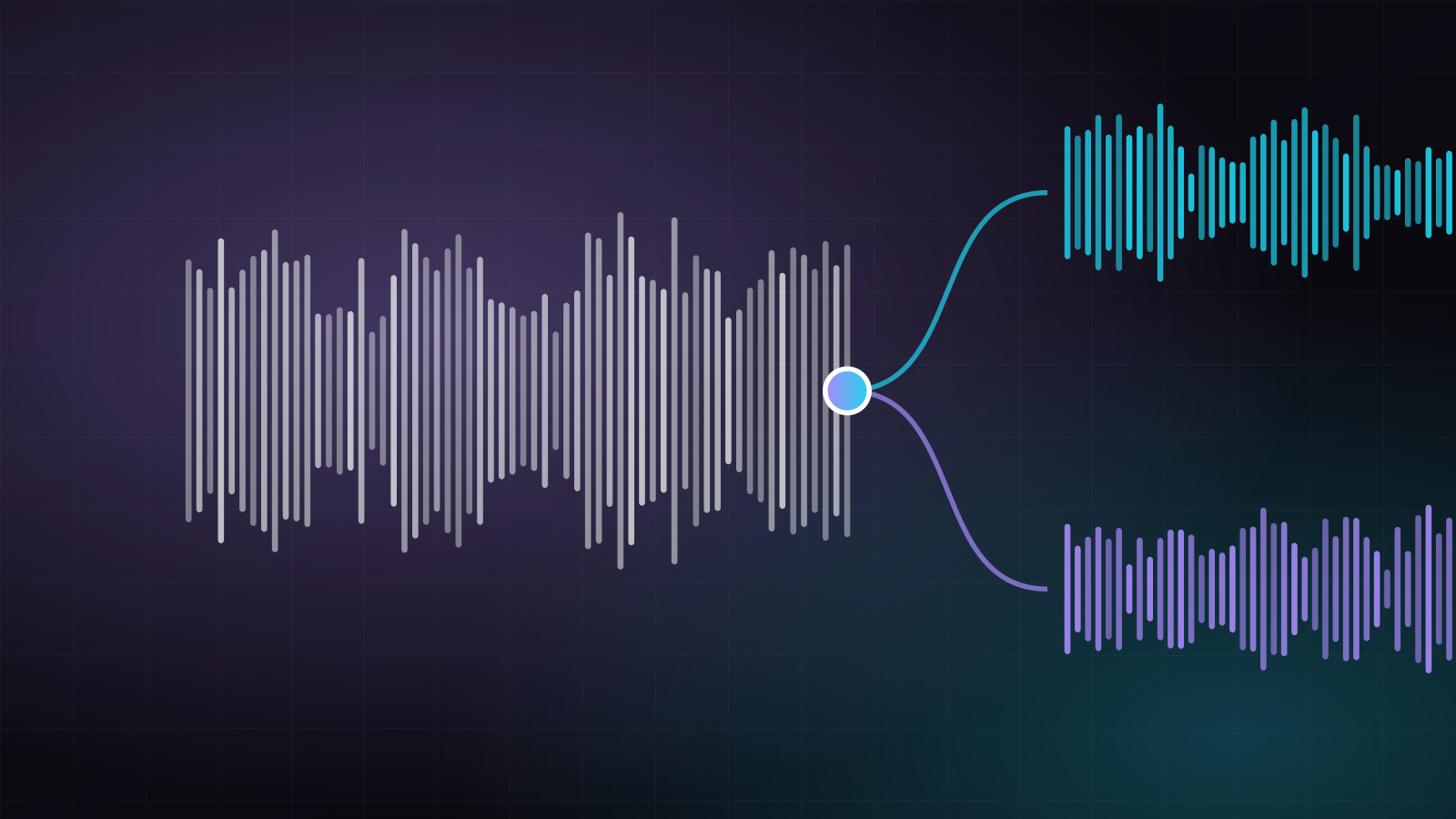
AI in Music Production: A Practical Guide for Producers
Where AI genuinely saves producers time — separation, mastering, ideas, analysis and release assets — where it does not, and how to keep your own sound.
 AI Music
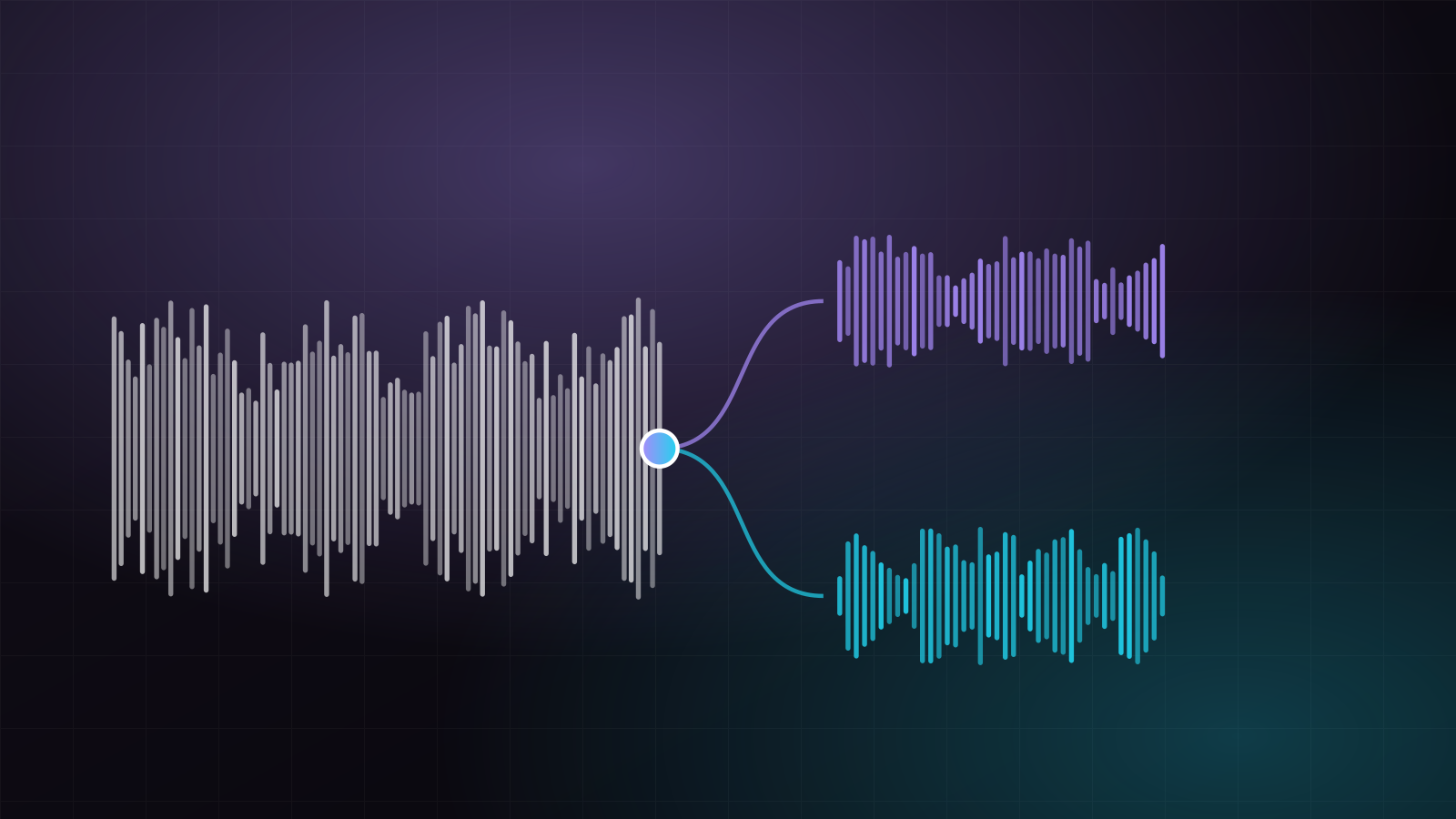
AI Mastering vs Human Mastering: Which Should You Use?
What AI mastering does well, where a mastering engineer still wins, how to get better results from either, and a simple way to decide for each release.
 AI Music
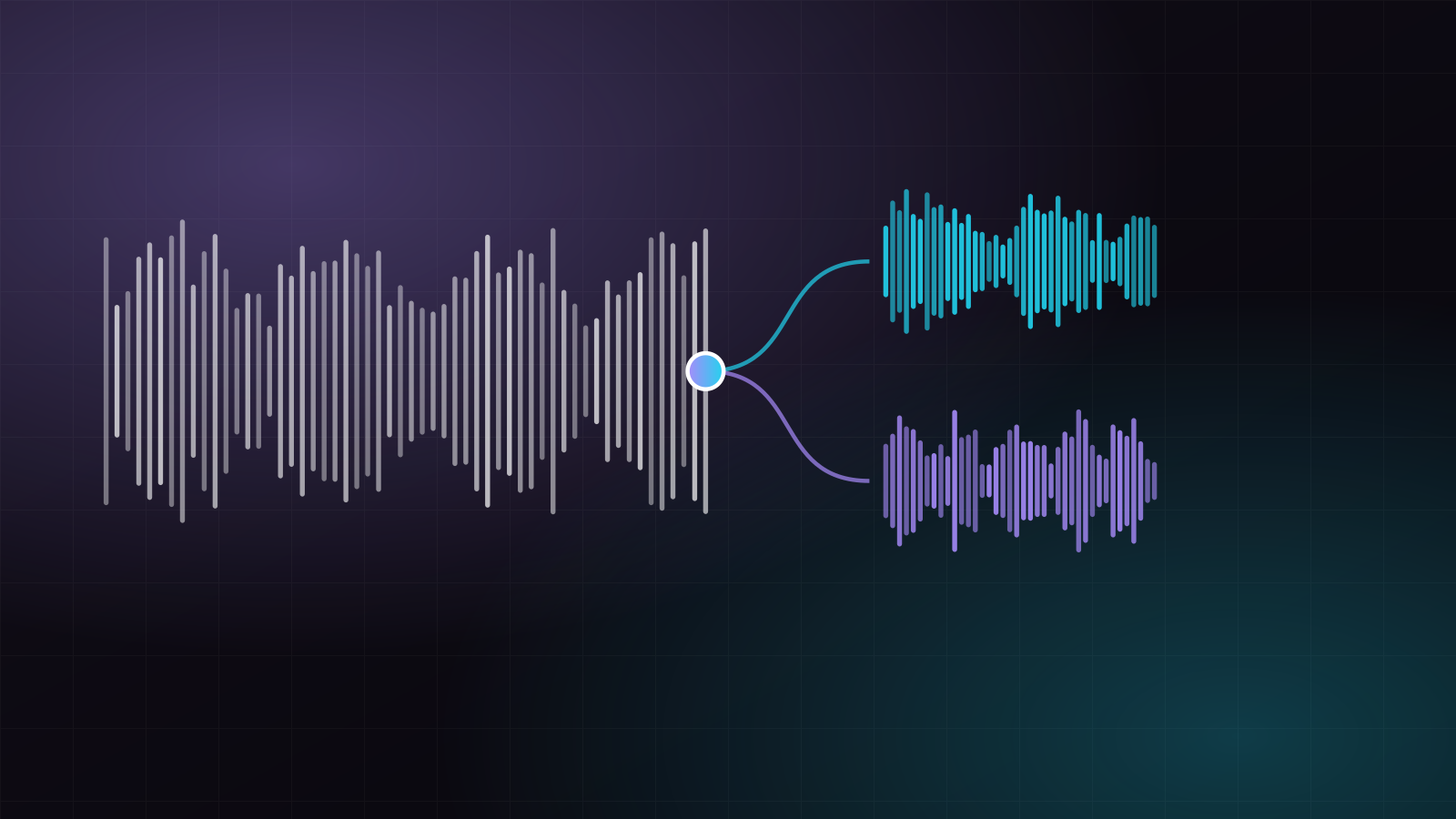
AI Stem Separation Explained: What It Can and Cannot Do
How AI splits a finished song into stems, why some songs separate cleanly and others do not, what artefacts to expect, and the best ways producers use it.
 Workflow
Audio File Formats Explained: WAV, MP3, FLAC and More
WAV, AIFF, FLAC, MP3, AAC and OGG explained: lossless versus lossy, bit depth and sample rate, which format to use for samples, stems, masters and sharing.
 Music theory
Chord Inversions and Voicings: Make Chords Sound Pro
Why your chords sound blocky and how to fix it: inversions, voice leading, open and closed voicings, spreading notes and adding extensions, with simple examples.
 Business
Cover Art for Spotify: Size, Rules and Design Tips
The right size and format for Spotify cover art, the rules distributors reject artwork for, and design tips for covers that stand out as a tiny thumbnail.
 FL Studio
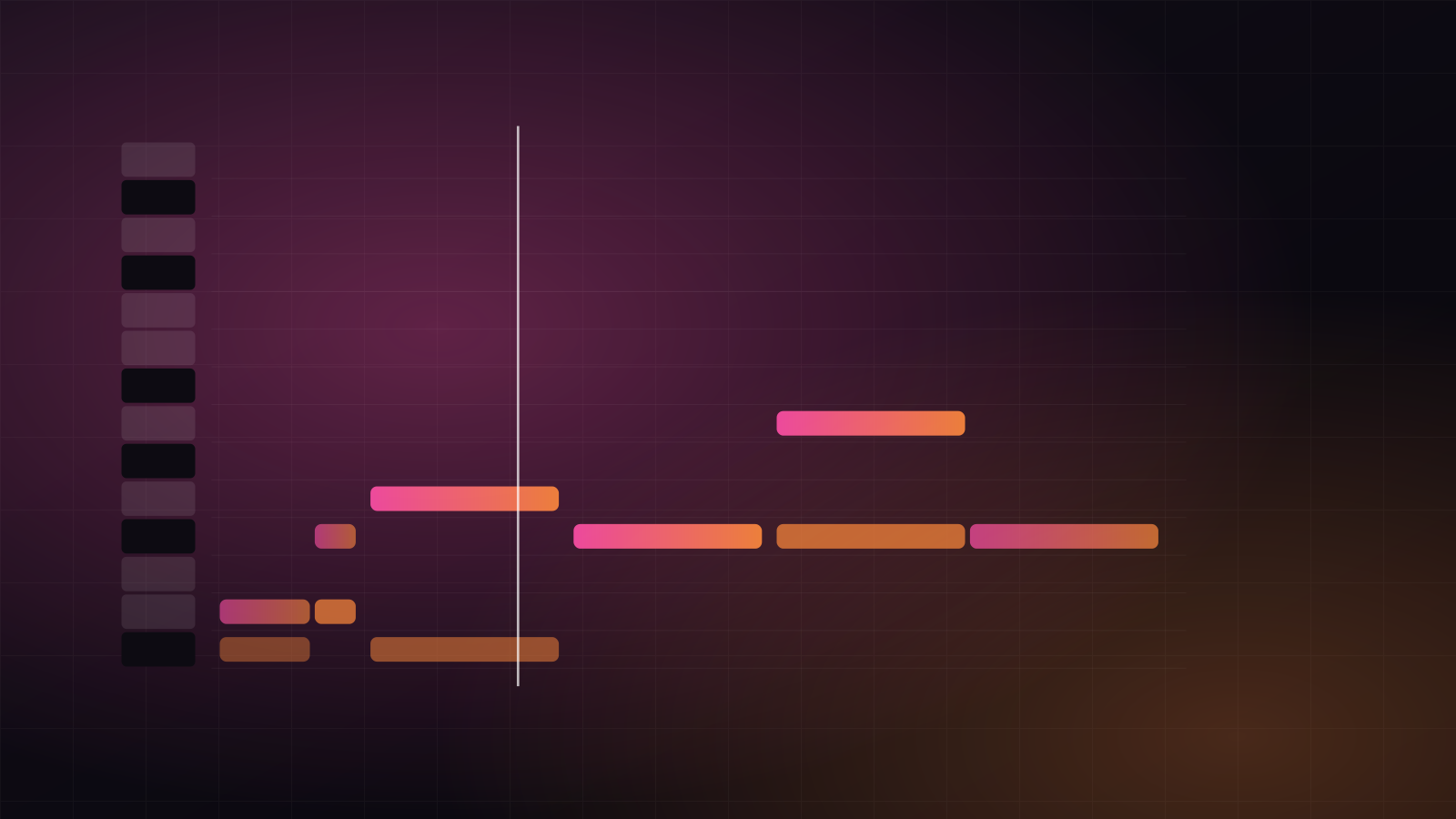
How to Humanize Drums in FL Studio (So They Stop Sounding Robotic)
Make programmed drums in FL Studio feel played, not pasted: velocity variation, swing, off-grid timing, ghost notes and sample variation, step by step.
 FL Studio
How to Record With a MIDI Keyboard in FL Studio
Connect a MIDI keyboard to FL Studio, fix latency, record notes and automation, use the metronome and count-in, and tidy timing with quantize afterwards.
 Ableton
FL Studio vs Ableton Live: Which DAW Should You Choose?
FL Studio and Ableton Live compared on workflow, beatmaking, sampling, recording, live performance, updates and learning curve — and how to choose.
 Workflow
How to Collaborate on Music Online
Collaborate with producers, artists and engineers online without chaos: sharing stems, naming files, keeping tempo and key consistent, feedback and agreeing splits.
 Vocals
How to De-Ess Vocals: Tame Harsh S Sounds
Find and control harsh S, T and SH sounds in vocals: where sibilance lives, de-esser settings, where it goes in the chain, and manual fixes for the worst words.
 Mixing
How to Fix a Muddy Mix
Why mixes sound muddy, how to find the build-up between about 200 and 500 Hz, and the EQ, arrangement and reverb fixes that make every element clear again.
 Beatmaking
How to Make a Beat Switch That Hits
Make a beat switch that surprises without feeling random: when to switch, changing tempo and key, transition tricks, and keeping the two halves connected.
 Beatmaking
How to Make Amapiano: Log Drums, Shakers and Deep Chords
Build an amapiano track: tempo, the log drum bass, shaker and percussion grooves, jazzy piano chords, and the arrangement that keeps a dance floor locked in.
 AI Music
How to Make an Acapella From Any Song
Pull a clean acapella from a finished song, clean up the leftovers, find its key and tempo, and fit it over a new beat — step by step for remixers.
 Beatmaking
How to Make Dancehall Beats: Riddims, Drums and Bass
Build a dancehall riddim: tempo, the syncopated 3-3-2 drum pattern, deep bass, stabs and melodies, plus the space a dancehall vocalist needs to ride the beat.
 Beatmaking
How to Make Guitar Trap Beats (Emotional Guitar Loops)
Make melodic guitar trap beats: writing emotional chord loops, recording or programming guitar, effects that make it sound sad and wide, and drums that fit.
 AI Music
How to Make Karaoke Tracks From Your Favourite Songs
Turn any song into a karaoke backing track: remove the lead vocal, move the key to suit your voice, adjust the tempo and keep the result sounding natural.
 Beatmaking
How to Make Phonk Beats: Cowbells, 808s and Memphis Vibes
Make phonk beats from scratch: tempo, the cowbell melody, distorted 808s, Memphis-style drums and vocal chops, plus the mix choices that give phonk its grit.
 Beatmaking
How to Make Reggaeton Beats: The Dembow Rhythm
Make reggaeton beats with the dembow rhythm: tempo, kick and snare pattern, percussion, bass, melodies and the modern production touches that make it hit.
 Beatmaking
How to Make Sample-Based Beats: Find, Chop and Flip
Make beats from samples: where to find them, matching key and tempo, chopping techniques, drums that sit with a sample, and staying on the right side of clearance.
 Beatmaking
How to Make UK Garage: 2-Step Drums, Swing and Vocal Chops
Make UK garage from scratch: tempo, the skippy 2-step drum pattern, heavy swing, warm bass, chopped and pitched vocals and the chords that give garage its soul.
 Mixing
How to Mix on Headphones (and Still Translate to Speakers)
Headphone mixing works if you know its traps: exaggerated stereo, unreliable bass, and fatigue. Here is a workflow that gets mixes sounding right everywhere.
 Business
How to Promote Your Music on TikTok
Promote music on short-form video without feeling fake: choosing the clip, hooks in the first seconds, content ideas that work, consistency and using your own sound.
 AI Music
How to Remove Background Noise From Audio and Vocals
Remove hiss, hum, room sound and background music from recordings: prevention, gates, noise reduction, AI cleanup, and avoiding the watery overprocessed sound.
 AI Music
How to Remove Vocals From a Song (and Keep the Beat Clean)
The fastest way to remove vocals from any song, why old phase tricks fail, how AI vocal removal works, and how to fix the artefacts that are left behind.
 Tempo & Keys
How to Transpose a Song to a Different Key
Transpose a song or sample into another key: counting semitones, MIDI versus audio, how far you can shift a voice, and when to change the tempo too.
 Tempo & Keys
How to Tune Your Instrument (and What A440 Means)
Tune a guitar, bass, ukulele or violin by ear or with a tuner, understand cents and A440, and make sure your recordings and samples match your project.
 Vocals
How to Write Song Lyrics: A Practical Guide
Write better song lyrics: finding an idea, building a hook, verse structure, rhyme schemes and slant rhymes, writing to a beat, and editing until it lands.
 Mixing
How to Make Your 808 Audible on Phone Speakers
Small speakers cannot play deep sub-bass, so 808s disappear. Use saturation, harmonics, layering and smart EQ to keep the bass line audible everywhere.
 Mixing
Mid/Side EQ Explained: Wider Mixes Without Losing Focus
What mid/side processing is, how mid/side EQ works, practical moves for vocals, low end and width, and the mistakes that make mixes fall apart in mono.
 Music theory
Natural, Harmonic and Melodic Minor Scales Explained
The three minor scales in plain language: how natural, harmonic and melodic minor are built, how each one sounds, and how producers use them in beats.
 Music theory
Musical Modes Explained for Producers (Dorian, Phrygian and More)
The seven modes in plain language: how each one sounds, the one note that gives it its character, and which genres and moods each mode suits in beats.
 Mixing
Multiband Compression Explained (and When You Need It)
What a multiband compressor does, when it beats normal compression or EQ, practical uses on bass, vocals and the mix bus, and settings to start with.
 Business
The Music Release Checklist: Everything Before You Hit Upload
A complete checklist for releasing a song: final master checks, metadata, artwork, credits, distribution timing, pitching, Canvas, social content and release week.
 Business
Music Royalties Explained: How Artists and Producers Get Paid
The main types of music royalties in plain language: master and publishing, performance, mechanical and sync, who collects each, and how producers get paid.
 Mixing
Panning in Mixing: Where to Put Every Sound
A practical panning guide: what goes in the centre, how wide to pan drums, doubles and instruments, the LCR approach, and how to keep a wide mix solid in mono.
 Mixing
Parallel Compression Explained: Punch Without Squashing
What parallel compression is, why it adds punch and density without killing dynamics, how to set it up on drums, vocals and bass, and settings to start with.
 Music theory
Relative Major and Minor Keys, Explained Simply
What relative major and minor keys are, how to find them in seconds, why they share the same notes, and how producers use them to change the mood of a beat.
 Mixing
Should You High-Pass Everything in Your Mix?
High-pass filters clean up mud, but cutting everything can thin out a mix. When to high-pass, where to set the frequency, and when to leave a track alone.
 Business
Spotify Canvas: What It Is and How to Make One
What Spotify Canvas is, the specs it needs, why artists use it, ideas that work, and how to make and upload a looping Canvas video for your release.
 Tempo & Keys
Swing and Groove Explained: Why Some Beats Just Feel Better
What swing actually is, how swing percentage works, straight versus shuffled feels, groove templates, and how much swing suits boom bap, house, garage and trap.
 Tempo & Keys
Time Signatures Explained: 4/4, 3/4, 6/8 and Odd Meters
What the two numbers in a time signature mean, how 4/4, 3/4 and 6/8 feel, simple versus compound time, odd meters like 5/4 and 7/8, and how to set them in your DAW.
 Vocals
Vocal Doubles and Harmonies: Make Hooks Sound Bigger
How to record vocal doubles and stack harmonies, where to pan them, how to mix them under the lead, and fake-double tricks when you only have one take.
 Business
How to Upload Type Beats on YouTube That Get Found
Upload type beats that get found: choosing the style, titles and descriptions, thumbnails, producer tags, licensing links and a steady upload schedule.
VocalsAutotune Settings Explained: Natural, Hard, or T-Pain
Retune speed, key input, humanize, flex-tune and formant — what each Autotune control does, settings for transparent vs hard-tune styles, and the mistakes that cause warble.
 Workflow
Beat Block: 12 Cures That Actually Work
Practical circuit-breakers for creative block: constraint sprints, the 3-sound rule, flip days, reference reverse-engineering, tempo/key roulette and knowing when to quit for the day.
 Business
Beat Licensing Explained: Leases, Exclusives & Royalties
How beat licensing works: non-exclusive leases vs exclusives, what usage limits mean, publishing splits on placements, and the contract terms that actually matter.
 Music theory
Borrowed Chords Made Simple: Steal From the Parallel Minor
The one borrowed-chord trick that upgrades progressions instantly: swap in chords from the parallel minor — iv, bVI, bVII — with examples in C and where each one shines.
 Music theory
What Key Should Your Beat Be In? (It Matters More Than You Think)
How key choice affects 808 power, vocal range and sample compatibility — the bass sweet spot, keys rappers favor, and matching a beat's key to an artist or sample.
 Business
Copyright Basics Every Producer Should Know
The two copyrights in every song (composition vs master), what's automatic vs registered, splits and co-writes, beat theft realities and when you actually need a lawyer.
 Workflow
The 30-Minute Daily Producer Practice Routine
A repeatable daily routine: 5 minutes of ear training, 10 of technique reps, 15 of creation sprints — plus weekly rotation, streak psychology and measuring actual progress.
 Beatmaking
Drum Pattern Cheat Sheet: 6 Genres, Exact Placements
Copy-ready drum patterns for trap, drill, boom bap, house, Afrobeats and Jersey club — kicks, snares and hats written out in grid language you can program in minutes.
 Workflow
Ear Training for Producers: Hear Mixes Like an Engineer
Producer-specific ear training: frequency guessing games, interval drills that help melodies, compression spotting, reference dissection and a 5-minute daily plan.
 Mixing
EQ Cheat Sheet: What Every Frequency Range Actually Does
The producer's frequency map: sub, mud, boxiness, presence, harshness and air — what lives where, what to cut, and the sweep technique for finding problems.
 Workflow
A Workflow to Finish Songs 3× Faster
Speed comes from phases, not talent: separate creation from editing, the 8-bar rule, decision budgets, arrangement by subtraction and the two-session finish system.
 FL Studio
Automation Clips in FL Studio: The Complete Beginner Guide
Create automation clips in FL Studio, edit curves with tension, automate filter sweeps, volume fades and risers — plus the LFO trick hidden in every clip.
FL StudioFL Studio Lagging? 10 Ways to Fix CPU Overload & Crackling
Stop FL Studio crackling and freezing: buffer length, multithreading options, freezing tracks to audio, the smart disable trick, and which plugins are secretly eating your CPU.
 FL Studio
Sampling with Edison: Record, Chop & Flip Anything in FL Studio
Use Edison to record audio from anywhere, trim and normalize samples, drag chops straight to the Playlist, remove noise, and reverse or fade with one key.
FL StudioThe Right FL Studio Export Settings (Streaming, Mixing & MP3)
Exact FL Studio export settings for every purpose: WAV for distribution and mixing, MP3 for demos, the loop-friendly 'leave remainder' option, and why 16-bit vs 24-bit matters.
 FL Studio
 Mixer Routing Explained (Inserts, Buses & Sends)
How FL Studio's mixer routing really works: insert tracks, bus groups for drums and vocals, send tracks for shared reverb, and the routing arrows everyone misses.
 FL Studio
 Sampler Tricks: Chop, Flip & Stretch Like a Pro
Six sampler moves inside FL Studio: Slicex chopping, Fruity Slicer speed, time-stretch modes explained, reverse cymbals, start-offset scratching and pitch-shifted textures.
 FL Studio
 Templates: Start Every Beat 10 Minutes Ahead
Build a personal FL Studio template: pre-routed mixer, go-to instruments loaded, reverb sends ready, color-coded playlist — and where FL hides the default template setting.
 Mixing
Gain Staging Explained: The Boring Step That Fixes Everything
Why every mix problem starts at input level: the -12 dB rule, clip vs headroom myths in 32-bit float, where to set gain (not the fader), and a 5-minute reset routine.
 Beatmaking
Beat Arrangement 101: From 8-Bar Loop to Full Track
Turn a loop into a song: the subtraction method, standard rap/pop arrangement maps, 4-bar change rule, transitions that sell sections, and intro/outro lengths that work.
 Business
How to Get Beat Placements: A Realistic Playbook
The placement paths that work now: artist relationships over cold email blasts, engineer/A&R side doors, loop-maker routes, packaging beats per artist and following up like a pro.
 Beatmaking
How to Make Afrobeats: Drums, Log Drums & That Rolling Groove
The Afrobeats blueprint: 100-112 BPM, the signature kick pattern, layered shakers and rims, warm log-drum bass and majors-with-a-smile chord choices.
 Beatmaking
How to Make Boom Bap Beats: The Classic Formula That Still Knocks
The boom bap recipe: 85-95 BPM swung drums, chopped soul samples, gritty texture and heavy-handed simplicity — with exact pattern placements and mixing moves.
 Beatmaking
How to Make House Beats: Four-on-the-Floor Done Right
The house music formula: 120-126 BPM, kick on every beat, off-beat open hats, shuffled 16th grooves, one-bar bass loops and the filtered build that fills dancefloors.
 Beatmaking
How to Make Jersey Club: The Kick Pattern Everyone Steals
Jersey club essentials: 130-140 BPM, the 5-kick bounce pattern, bed squeaks and vocal chops, triplet fills and the stop-start arrangement TikTok runs on.
 Beatmaking
How to Make Melodies That Stick (No Theory Degree Needed)
A practical melody method: limit yourself to five notes, write the rhythm first, use call-and-response, repeat more than feels safe, and steal contour not notes.
 Beatmaking
How to Make R&B Beats: Space, 7th Chords & Pocket
Modern R&B production: 60-75 BPM pockets, minor-7 and major-9 chords, sparse drums that breathe, warm bass and arranging around a vocal that isn't there yet.
 Business
How to Price Your Beats (Without Racing to the Bottom)
Beat pricing psychology: tier anchoring, why $19-49 leases work, when to raise prices, bundles and deals that don't cheapen you, and pricing exclusives by demand.
 Music theory
Intervals Explained for Producers (The Feeling Between Two Notes)
Hear intervals like a producer: what each distance from minor 2nd to octave feels like, songs that use them, and how intervals shape basslines, hooks and chord color.
 Beatmaking
Layering 808s and Kicks Without Mud
Make the kick and 808 hit as one instrument: split their jobs by frequency, tune both to the key, sidechain or clip the overlap, and glue with saturation.
 Mixing
Limiters vs Clippers: Loudness Tools Explained
What limiters and clippers actually do to peaks, why clippers sound punchier on drums, the clip-into-limiter mastering trick, and settings that avoid pumping.
 Mixing
Mastering at Home: A Realistic Chain, Step by Step
A practical home-mastering chain: reference, corrective EQ, glue compression, saturation, stereo tweaks, limiting to target LUFS and the final checks before upload.
 Mixing
A Beginner's Mixing Checklist: 10 Steps in the Right Order
Mix any beat with a repeatable 10-step order: gain staging, buses, EQ cuts, compression, space, automation and the loudness check — with pass/fail tests per step.
 Mixing
Why Your Vocals Don't Sit in the Mix (And 7 Fixes)
Vocals floating on top or buried? Seven fixes in order: arrangement space, EQ mirroring, serial compression, saturation, sends not inserts, automation and the 1 dB rule.
 Business
How Music Distribution Works (DistroKid, TuneCore & Friends)
What distributors actually do, pricing models compared (subscription vs per-release vs royalty cut), metadata that avoids rejections, timelines and switching without losing streams.
 Workflow
Organize Your Sample Library Once and For All
A folder structure that survives years, naming conventions with key and BPM, the favorites system, ruthless deletion rules and a 90-minute one-time cleanup plan.
 Business
Branding for Producers: Name, Tag, Visuals, Consistency
The four assets of a producer brand: an ownable name, a tag people recognize, consistent visuals across profiles, and the posting consistency that compounds into recognition.
 Vocals
Pro-Sounding Vocals in an Untreated Room (Budget Guide)
Beat a bad room without buying panels: mic placement tricks, the closet booth, blanket physics, gain settings that avoid noise, and cleanup that saves imperfect takes.
 Mixing
How to Use Reference Tracks When Mixing (Without Copying)
Choose the right references, level-match honestly, compare one dimension at a time (lows, vocal, width, brightness), and translate observations into moves in your session.
 Business
Sampling Legally: When You Need Clearance (And When You Don’t)
What sample clearance involves (two permissions), royalty-free vs copyrighted sources, interpolation as the budget path, flip-culture gray zones and safe workflows.
 Mixing
Saturation Explained: The Secret Ingredient of Expensive Mixes
What saturation actually does (harmonics, soft clipping, perceived loudness), tape vs tube vs digital drive, where to use it — 808s, vocals, buses — and how much is too much.
 Music theory
The 4 Scales Behind Dark Beats (Phrygian & Friends)
Why dark beats sound dark: natural minor, harmonic minor, Phrygian and the double harmonic scale — with the exact notes in A and when to reach for each.
Music theorySong Structure Explained: Verse, Hook, Bridge & Why They Work
What verses, hooks, pre-choruses and bridges actually do, the standard structures for rap, pop and EDM, section lengths in bars, and how to break the rules on purpose.
 Business
Getting on Spotify Playlists Without Paying Scammers
How Spotify's algorithmic and editorial playlists actually trigger, the pre-release pitch that matters, real vs fake curator outreach, and why saves-per-listener beats raw streams.
 Mixing
Stereo Width: Make Mixes Wide Without Breaking Mono
Real width techniques that survive mono: LCR panning, double-tracking, Haas done safely, mid/side EQ, and keeping kick, 808 and lead vocal dead center.
 Vocals
Ad-libs 101: Recording and Placing the Hype Layer
What ad-libs do, the three types (echoes, reactions, textures), how to record them in one focused pass, panning and effects that keep them out of the lead's way.
 Vocals
The Right Vocal Chain Order (And Why Order Matters)
A modern vocal chain in the correct order: gate, subtractive EQ, compressor 1, de-esser, tuning, compressor 2, tone EQ, saturation, then sends — and what breaks if you shuffle it.
 Music theory
Half-Time Explained: Why 140 BPM Trap Feels Like 70
What half-time actually is, why trap runs its snare on beat 3, double-time hats over half-time drums, and how to switch feels mid-song without changing BPM.
 Mixing
What Is LUFS? Loudness, Normalization & Targets Explained
LUFS explained simply: integrated vs short-term, why Spotify turns loud masters down, what -14 LUFS really means, and how loud you should actually master.
 Vocals
How to Write Hooks People Actually Remember
Hook-writing mechanics: one repeatable phrase, melody within 5 notes, the title placement rule, contrast against the verse, and the 10-hook sprint method.
 Tempo & Keys
Best BPM for Every Genre: Trap, Drill, House, Techno & More
The typical BPM ranges for trap, drill, hip-hop, house, techno, dubstep, DnB and more — plus why half-time makes trap at 140 feel like 70.
FL StudioThe Best Free Plugins for FL Studio (That Don’t Sound Free)
The free VST plugins worth installing in FL Studio: Vital, Surge XT, TDR Nova, Valhalla Supermassive and more — plus the stock plugins that already beat them.
 Tempo & Keys
The Camelot Wheel Explained: Harmonic Mixing Made Simple
What Camelot codes like 8A and 9B mean, how the Camelot wheel works, and the simple +1/−1 rule DJs use to mix tracks that never clash.
 Music theory
5 Chord Progressions That Always Work (And Why)
Five battle-tested chord progressions for trap, R&B, pop and house — with the Roman numerals, an A-minor example, and how to make borrowed progressions yours.
 Mixing
Compression Explained Simply (Threshold, Ratio, Attack, Release)
What a compressor actually does, the four knobs in plain words, starting settings for drums, 808s and vocals, and the mistakes that squash your mix.
 Workflow
How to Convert Audio to MIDI Free (In Your Browser)
Turn a melody recording into editable MIDI notes free, right in your browser — no upload, no signup. What converts well and tips for clean results.
 Music theory
How to Find the Key of a Song — Instantly or By Ear
Find the key of any song two ways: instantly with a free online key finder, or by ear with a simple method any producer can learn. Plus how to use keys for remixes and sampling.
 FL Studio
 Keyboard Shortcuts That Actually Save Time
The FL Studio shortcuts producers use every session: piano roll, playlist, mixer and recording hotkeys, organized by how often you'll need them.
 FL Studio
10 FL Studio Piano Roll Tricks That Level Up Your Melodies
Master FL Studio's piano roll: scale highlighting, ghost channels, strumizer, randomizer, slide notes, quick chords and more.
 Music theory
Bars, Beats & Phrases: How to Count Music Like a Producer
What a bar is, why almost everything is 4 beats, how 8-bar phrases structure songs, and how producers count while arranging and DJs count while mixing.
 Mixing
How to EQ 808s and Kicks for a Clean Low End
Stop the kick and 808 fighting: who owns the sub, complementary EQ cuts, sidechain glue, mono low end, and checking your mix on small speakers.
 Tempo & Keys
How to Find the BPM of Any Song (3 Easy Ways)
Learn three fast ways to find the BPM of any song: an instant free online analyzer, tap tempo, and counting by ear. Includes the half-time trap gotcha.
 Workflow
How to Actually Finish Your Beats (Beat the 8-Bar Loop Curse)
Why producers get stuck on loops and the fixes that work: the 20-minute arrangement sprint, decision limits, reference structures and done-not-perfect exporting.
FL StudioHow to Make 808 Slides in FL Studio (Portamento Done Right)
Three ways to make sliding 808s in FL Studio: slide notes in the Piano Roll, sampler portamento, and pitch automation — plus why drill relies on them.
 FL Studio
How to Make a Beat in FL Studio — a Beginner’s 7-Step Guide
Make your first beat in FL Studio in 7 clear steps: tempo, drums, melody, 808s, arrangement, mixing basics and export. No experience needed.
 Beatmaking
How to Make Drill Beats: Sliding 808s and That Bounce
UK/NY drill beat recipe: 140–150 BPM, the signature 3-3-2 bounce, sliding 808s, dark melodies and the ghost-note percussion that makes drill knock.
 Beatmaking
How to Make Lo-fi Beats That Actually Feel Warm
The lo-fi formula: jazzy 7th chords, drunk drum swing, vinyl texture and tasteful imperfection — plus the mistakes that make lo-fi sound cheap.
 Beatmaking
How to Make Trap Beats: The Complete Pattern Recipe
The trap beat formula: 140 BPM half-time drums, rolling hi-hats, tuned 808s and dark minor melodies — with exact pattern placements to copy.
 Mixing
How to Mix Vocals: A Simple Chain That Always Works
A vocal chain in the right order: cleanup EQ, compression, de-essing, tone EQ, saturation, then spaces — with settings and the reason for each step.
 FL Studio
How to Record Vocals in FL Studio (Setup to First Take)
Record vocals in FL Studio step by step: audio interface setup, ASIO drivers, arming a mixer track, monitoring without echo, and comping takes.
 Business
How to Sell Beats Online: The Playbook That Works in 2026
Selling beats that actually sell: platforms, lease vs exclusive pricing, YouTube 'type beat' SEO, building a catalog, and the daily routine that compounds.
 FL Studio
How to Sidechain in FL Studio (3 Ways, From Easy to Pro)
Three ways to sidechain in FL Studio: Fruity Limiter compression, Peak Controller volume ducking, and manual volume automation — when to use each.
 Music theory
Music Theory for Producers: The 20% You Actually Need
Skip the conservatory: keys and scales, the minor-key chord set, why melodies resolve, and octaves for 808s — the working theory behind modern beats.
 Mixing
Reverb & Delay: How to Give Your Mix Space (Without Drowning It)
Sends vs inserts, which reverb sizes suit which sounds, timing delays to the BPM, and the pre-delay/EQ tricks that keep mixes clear.
 Workflow
What Are Stems in Music? (And Why Everyone Asks for Them)
Stems explained: what they are, stems vs multitracks, why labels/mixers/DJs ask for them, how to export stems in FL Studio, and how AI stem separation works.
No articles match your search.
Try a different word, or browse all articles.
Get the next guide in your inbox
New production guides and tool updates by email. Confirm once, unsubscribe in one click.
By subscribing you agree to the privacy policy.