Transient Shapers Explained: Control Punch and Sustain
What a transient shaper does, how it differs from a compressor, attack and sustain controls, and practical uses on kicks, snares, 808s, guitars and room sound.

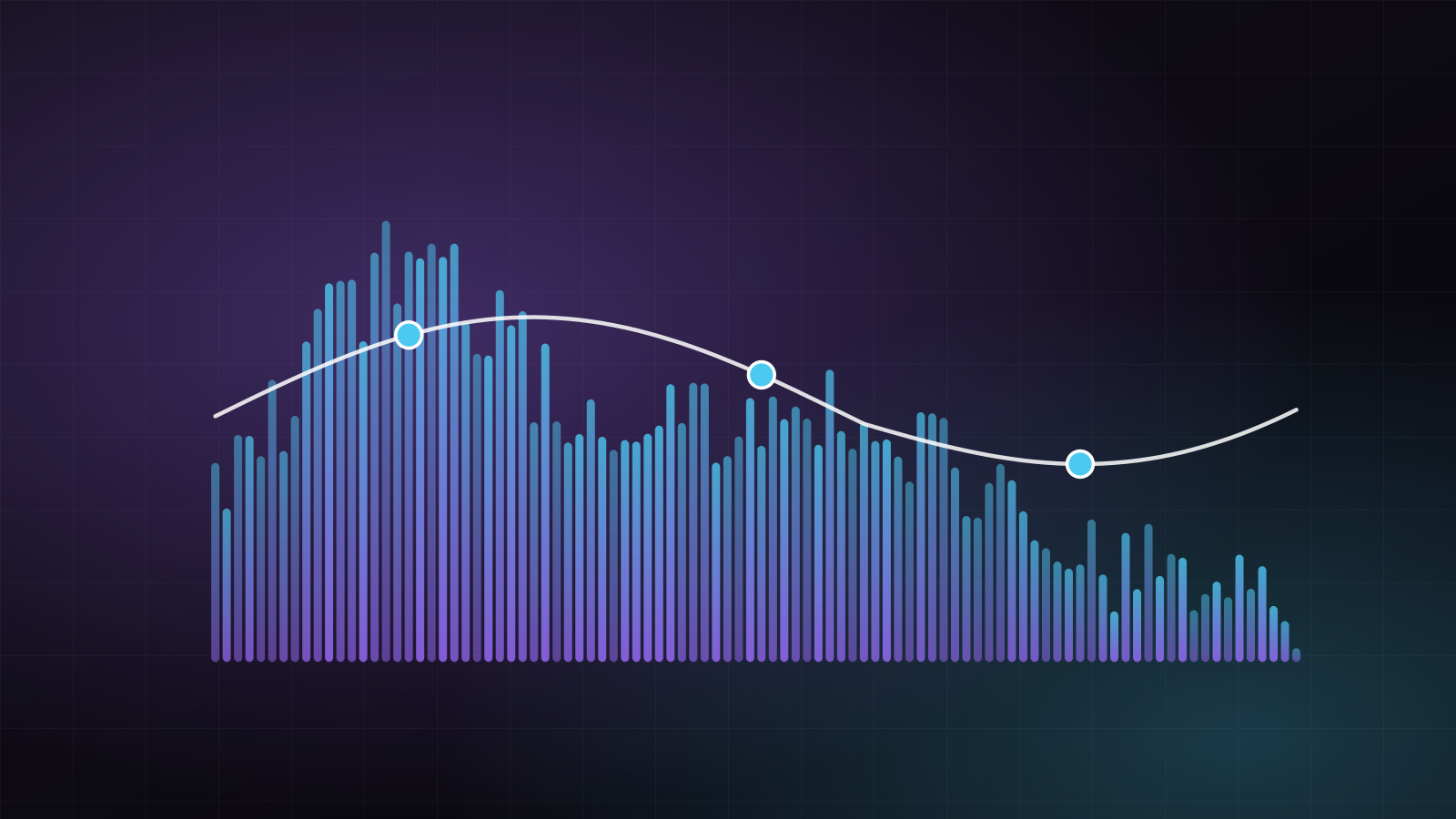
A transient is the very start of a sound — the initial hit of a drum, the pluck of a string. A transient shaper turns that start up or down, and separately turns the tail (sustain) up or down. It is one of the fastest ways to make drums punchier or tighter.
How it works
Most transient shapers have two main controls:
- Attack: boost it to make the start of each hit louder and sharper; reduce it to soften hits.
- Sustain: boost it to bring up the tail and room sound; reduce it to make sounds shorter and tighter.
Unlike a compressor, a transient shaper does not depend on a threshold. It reacts to the shape of each sound, so quiet and loud hits are treated similarly.
Transient shaper versus compressor
A compressor with a slow attack can also emphasise transients, and with a fast attack can soften them. But compression also changes overall level and dynamics. A transient shaper is more direct: it changes attack and sustain without much else. Many producers use both — see compression explained.
Practical uses
Punchier kicks
Boost attack a little to bring out the beater click. Reduce sustain if the kick's tail clashes with the 808 or bass.
Snappier snares
More attack for crack; more sustain for body and room. A sample that sounds thin can become fat by raising sustain.
Tighter 808s
Boost attack slightly so the 808 cuts through, or shorten its sustain to stop notes running into each other.
Reduce room sound
On drum loops or live recordings, lowering sustain reduces reverb and room ambience — useful when a sample is too roomy.
Guitars and plucks
Boost attack on acoustic guitars for definition; reduce it on harsh plucks.
Tips
- Small moves. A few decibels is usually enough. Extreme settings cause clicks and distortion.
- Watch levels. Boosting attack raises peaks; leave headroom.
- Use on the drum bus for overall punch, carefully — read bus processing.
- Check in context. A sharper snare solo might poke out too much in the mix.
When not to use one
Do not use a transient shaper to fix a bad sample choice — choose a better sound first (sound selection). And avoid heavy attack boosts on vocals; a compressor or de-esser is better suited there.
For the full drum picture, see how to mix drums.
Check the punch of your mix →Upload a mix for feedback on balance, low end and loudness.Frequently asked questions
What does a transient shaper do?
It turns the start of a sound (attack) and its tail (sustain) up or down independently.
Is a transient shaper better than a compressor?
It is more direct for attack and sustain, while a compressor also controls overall dynamics. Many producers use both.
How do I make drums punchier with a transient shaper?
Boost attack a few decibels, and reduce sustain if the tails are cluttering the mix.
Want to try it on your own track? See all the free music tools — no account needed.