Should You High-Pass Everything in Your Mix?
High-pass filters clean up mud, but cutting everything can thin out a mix. When to high-pass, where to set the frequency, and when to leave a track alone.

“High-pass everything except the kick and bass” is one of the most repeated mixing tips. It contains a real truth, but followed blindly it can leave your mix thin and lifeless. Here is how to use high-pass filters with intention.
What a high-pass filter does
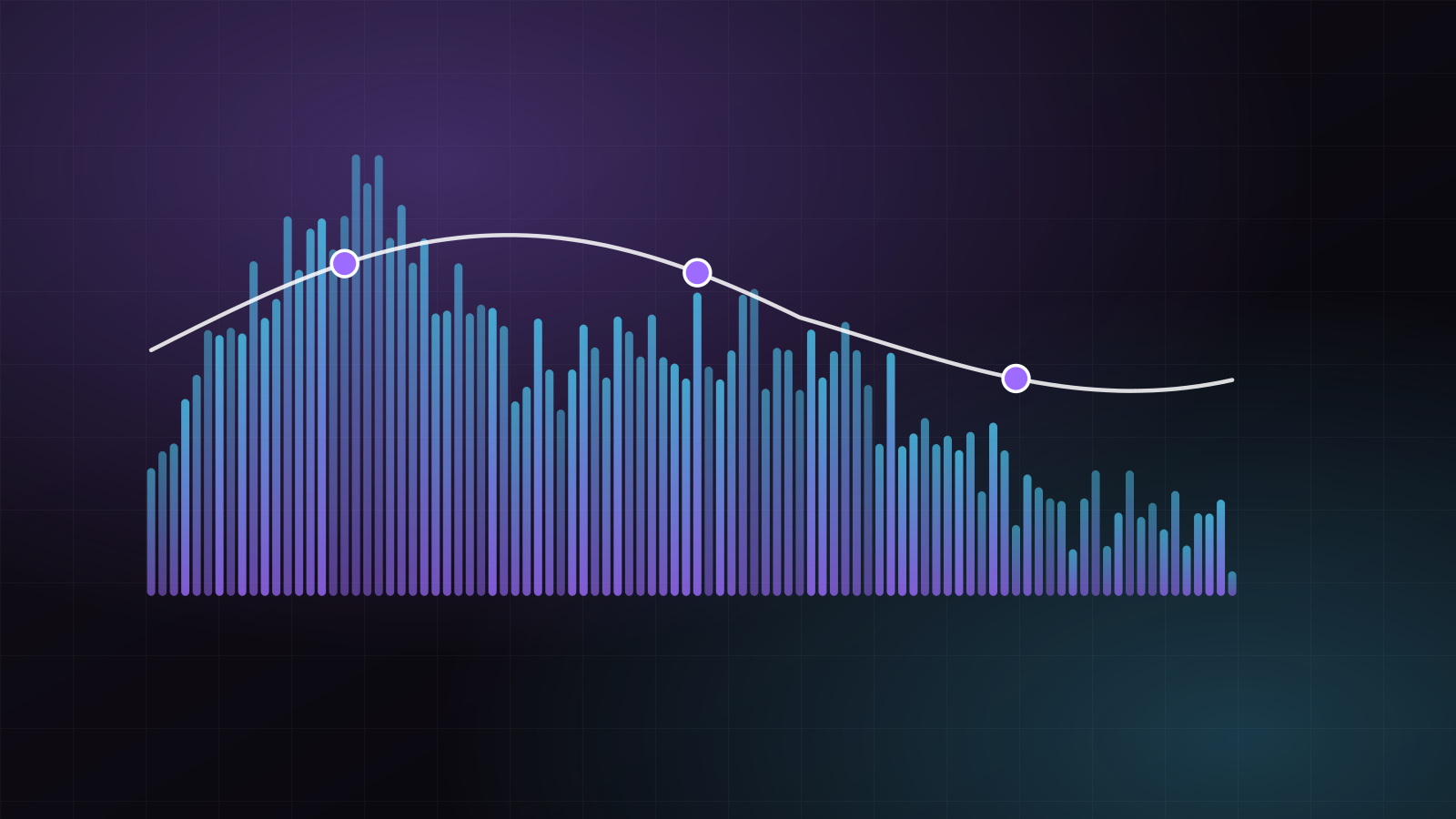
A high-pass filter (also called a low-cut) removes frequencies below a chosen point and lets the higher ones through. It is used to remove low-frequency energy that a sound does not need: rumble, handling noise, room boom and the low tails of synths and samples.
Why the advice exists
Low-end energy adds up. A pad, a guitar, a vocal, a piano and a snare might each carry a little energy below 150 Hz. Individually it is inaudible; together it becomes a muddy cloud that fights the kick and bass, eats headroom and makes the mix sound louder in the wrong places. Cleaning it up gives the low end room to be clear and punchy.
Why blindly cutting everything is a mistake
- Things get thin. A vocal high-passed at 200 Hz may lose its chest and warmth. A snare cut too high loses its body.
- Phase shift. Steep filters change the phase of the frequencies near the cutoff, which can subtly alter the tone.
- Fullness comes from many sources. A mix where only the kick and bass have low end can feel hollow.
A better method
- Solo the track and sweep. Raise the high-pass frequency until the sound starts to thin out, then back it off a bit.
- Check in context. Unsolo and listen with the full mix. Often you can go higher in context than solo, sometimes lower.
- Use a gentle slope. 12 dB per octave is usually more natural than 24 or 48 dB.
- Only cut what is not needed. If you cannot hear a difference, the filter is either doing nothing or doing exactly the right thing — compare with the bass soloed to decide.
Typical starting points
- Vocals: 70–120 Hz depending on the voice. Deeper voices need lower settings.
- Hi-hats and cymbals: 200–500 Hz is usually safe.
- Pads and keys: 100–250 Hz, depending on how much warmth the arrangement needs.
- Guitars: 80–150 Hz.
- Reverb returns: 200–400 Hz. Low-end reverb is a common hidden source of mud.
- Kick and bass: a very low filter around 20–30 Hz can remove inaudible rumble that wastes headroom.
Our EQ cheat sheet maps out what lives in each range.
Alternatives to a high-pass
Sometimes a low shelf that reduces the lows by a few decibels keeps warmth while controlling mud. Or a dynamic EQ that cuts only when the low end builds up. For bass instruments, sidechain ducking against the kick can be better than filtering — see sidechaining.
The rule worth keeping
Every sound should earn its low end. If it adds weight that the song needs, keep it. If it only adds mud, filter it. Make the decision with your ears in context, and check against a reference track. When you are not sure, the mixing checklist for beginners is a good next read.
Check your mix for muddy low end →Get feedback on balance, low end and loudness from a single upload.Frequently asked questions
Should I high-pass vocals?
Usually yes, around 70–120 Hz depending on the voice. Sweep it up until the vocal thins, then back off.
What slope should a high-pass filter use?
A gentle 12 dB per octave sounds natural in most cases. Steeper slopes are for surgical cleanup.
Should I high-pass the kick and bass?
Only very low, around 20–30 Hz, to remove inaudible rumble. Their low end is the point.
Want to try it on your own track? See all the free music tools — no account needed.