How to Make Trap Beats: The Complete Pattern Recipe
The trap beat formula: 140 BPM half-time drums, rolling hi-hats, tuned 808s and dark minor melodies — with exact pattern placements to copy.

Trap has a recognizable skeleton. Learn it exactly, then bend it. Set your project to 140 BPM (anywhere 130–170 works — see the genre BPM chart).
The drum skeleton
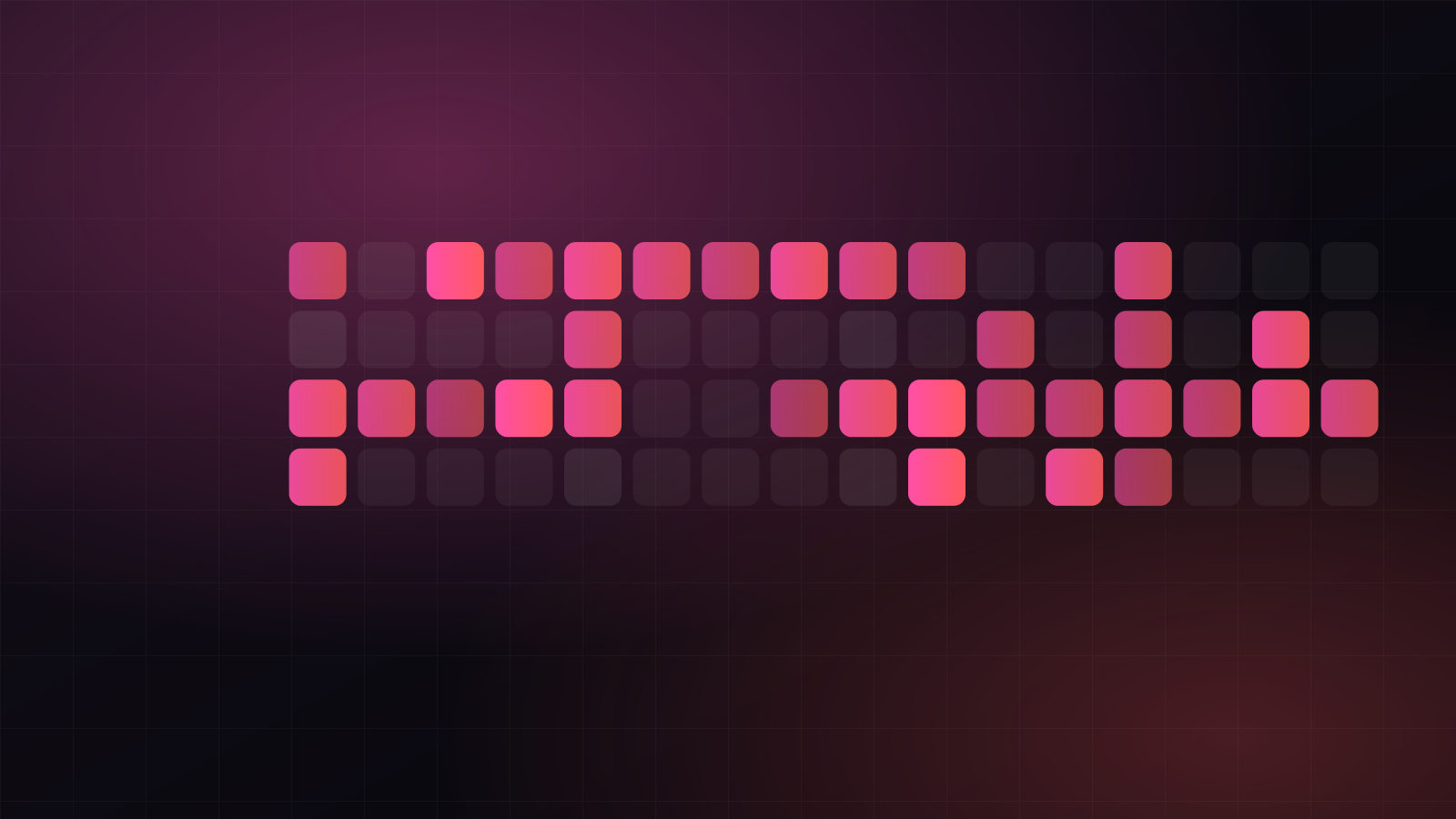
- Kick: beat 1, then syncopated hits that follow the 808 pattern.
- Snare/clap: beat 3 only — that's the half-time feel.
- Hi-hats: straight 8ths as the bed, then rolls: bursts of 16ths, 32nds and triplets before the snare. Velocity variation keeps them alive.
- Open hat: off-beats, sparingly.
The 808
The 808 is the bassline. Follow your progression's root notes, keep it mono, and use slides between notes for motion. Tune it — an out-of-key 808 ruins everything above it.
The melody
Dark minor keys rule trap: try natural minor or harmonic minor, 2–4 bar loops, simple motifs with space. Bells, plucked guitars, dark keys and choir pads all work. Stuck? Generate minor-key starting points with the MIDI Pattern Generator and darken from there.
Arrangement in 60 seconds
8-bar intro (melody only) → hook (everything) → verse (drop the melody an octave, thin the drums) → hook → verse → hook → outro. Mute one element per section change so the song breathes.
The 1%: what separates placements from loops
Contrast. Producers who place records automate filters into transitions, drop drums for the last 2 bars before a hook, and leave silence right before impact. Copy that habit before you copy anyone's drum kit.
Generate trap melodies & drums →Minor-key patterns in one click — free, exports .mid.Frequently asked questions
What BPM are trap beats?
Usually 130–170 BPM with a half-time feel — 140 is the classic. The snare on beat 3 makes it groove at half speed.
What key are trap beats in?
Almost always minor keys — natural or harmonic minor. Dark, simple 2–4 bar minor melodies are the genre's core.
How do I make my hi-hat rolls sound professional?
Mix note lengths (8ths into 16th/32nd bursts and triplets), vary velocity so no two hits are identical, and place the fastest rolls right before the snare.
Want to try it on your own track? See all the free music tools — no account needed.