AI in Music Production: A Practical Guide for Producers
Where AI genuinely saves producers time — separation, mastering, ideas, analysis and release assets — where it does not, and how to keep your own sound.

AI is now part of almost every stage of making music, from the first idea to the release artwork. Some of it is genuinely useful and some of it is noise. This guide walks through each stage of a typical workflow and where AI earns its place.
Ideas and sketches
Blank-project paralysis is real. AI can hand you a starting point: a chord progression, a melody or a drum groove that you then rewrite. The MIDI generator gives you editable notes in a chosen key, and the beat idea generator suggests directions when you do not know where to start. The key word is editable: treat the output as a sketch, then change the rhythm, the voicing and the sound until it is yours.
Analysis
This is where AI is quietly excellent. Detecting the BPM and key of a sample, converting a hummed idea or a recording to MIDI with audio to MIDI, or getting objective feedback on a mix all save time and remove guesswork. None of it replaces your ears; it just answers questions faster.
Separation
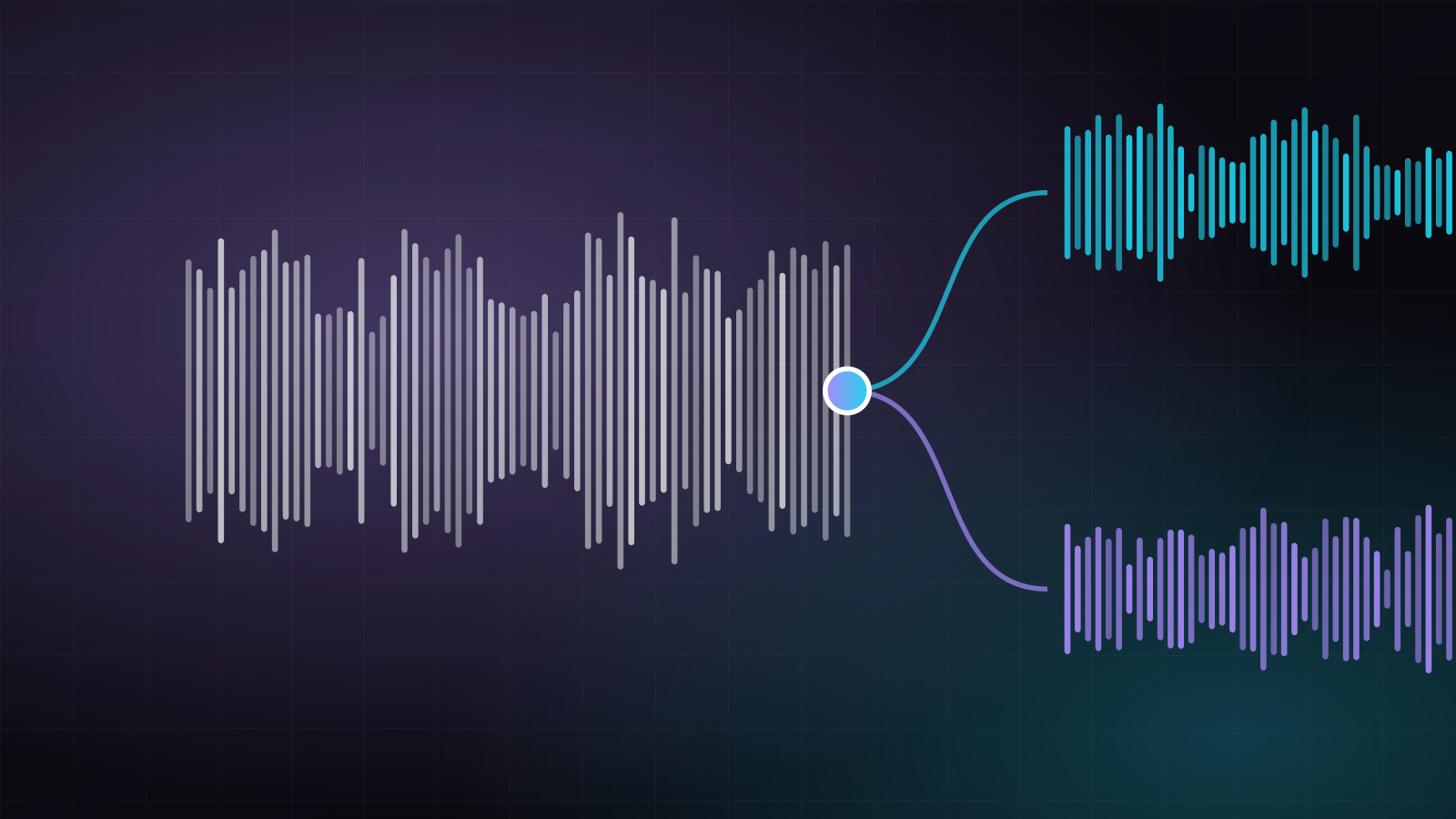
Splitting a song into vocal and instrumental used to be impossible. Now a vocal remover does it in a minute. Producers use it for remixes, sampling, practice and studying how records are made. Read how stem separation works to know what to expect.
Mixing help
AI-assisted plugins can suggest EQ curves or compression settings based on what they hear. They are a good starting point, especially when you are learning, but they do not know what the song is supposed to feel like. Use the suggestion, then adjust by ear and against a reference.
Mastering
AI mastering is fast, affordable and consistent. For demos, beats and many singles it is all you need. For a big release or an album, compare it with a mastering engineer. Our AI vs human mastering comparison goes deeper.
Release assets
Artwork, a looping Spotify Canvas, promo videos and captions take hours that most independent artists do not have. AI tools such as a cover art generator and a Canvas maker produce a consistent visual package quickly, so you can spend that time on the music.
Where AI does not help
- Taste. Deciding what is good, what to cut and what makes a song feel like you is still your job.
- Performance. The emotion in a vocal take or a played part comes from a person.
- Finishing. AI can start a hundred ideas; finishing one is a habit. See how to finish more beats.
Keeping your own sound
The risk with any shortcut is that everyone using it ends up sounding the same. Use AI for the tasks you do not enjoy or that have a right answer — tempo, key, separation, loudness — and keep the creative decisions for yourself. Your sound lives in your choices, not in the tool.
A note on rights
Using AI to analyse or separate a song does not give you rights to that song. Releasing work built on other people's recordings still needs permission. Check the terms of any AI tool you use for commercial projects, and keep your own project files as proof of your work.
See every AI music tool →Separation, mastering, analysis, MIDI and release tools in one place.Frequently asked questions
Will AI replace music producers?
AI speeds up technical tasks, but taste, performance and finishing songs remain human skills. Producers who use AI well simply work faster.
Is it cheating to use AI in music?
No more than using a drum machine or a sample pack. What matters is the final song and whether you have the rights to what is in it.
What is the most useful AI tool for producers?
For most people, analysis and separation: detecting key and tempo and splitting vocals from instrumentals save the most time.
Want to try it on your own track? See all the free music tools — no account needed.