What Is LUFS? Loudness, Normalization & Targets Explained
LUFS explained simply: integrated vs short-term, why Spotify turns loud masters down, what -14 LUFS really means, and how loud you should actually master.

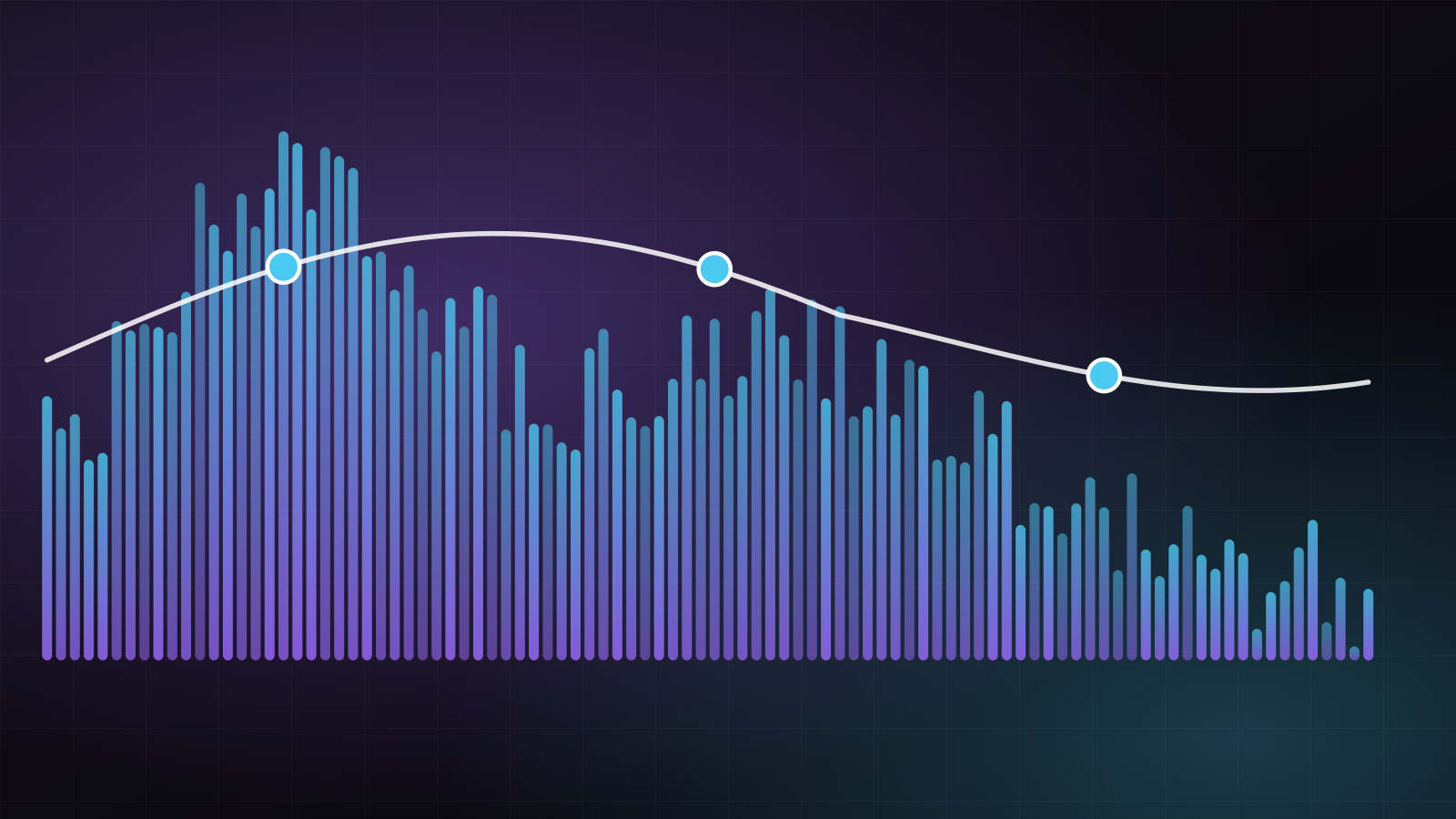
LUFS is how streaming platforms measure loudness the way ears do — and it's why the loudness war quietly ended. Understand it and you'll stop crushing masters for no benefit.
What LUFS measures
Loudness Units relative to Full Scale: a perceptual measurement that weighs frequencies like human hearing (mids count more than sub-bass). Integrated LUFS averages the whole song; short-term is a 3-second window.
Normalization: the great equalizer
Spotify, YouTube and Apple turn every track to a similar loudness (≈ −14 LUFS on Spotify, −16 on Apple by default). Master at −8 and it just gets turned down — you paid in crushed dynamics and got zero extra loudness.
So how loud should I master?
Aim where your genre lives: −14 to −9 integrated for most modern rap/electronic releases. The right question isn't 'how loud can I go' but 'at what loudness does my track stop improving' — push until punch dies, back off one notch.
True peak: the other number
Keep true peak under −1 dBTP so lossy encoding doesn't clip. A loud master with peaks at −0.1 can distort after Spotify's encoder even though your DAW never clipped.
Measure, don't guess
Check integrated LUFS and true peak on the final file, not the project — export first, then run it through a free checker against per-platform targets.
Check your LUFS free →Integrated LUFS + true peak vs Spotify, Apple, YouTube and club targets.Frequently asked questions
What LUFS does Spotify use?
Around −14 LUFS integrated with normalization on (the default). Louder tracks are turned down; quieter ones are turned up (with a limiter guard).
Is -14 LUFS too quiet for rap?
As a master level it's conservative — many rap masters sit −10 to −8. They get normalized down, but keep their in-track dynamics contrast.
What's the difference between LUFS and dB?
dB(FS) measures electrical signal level; LUFS measures perceived loudness over time. Two tracks can peak identically and differ by 6 LUFS.
Want to try it on your own track? See all the free music tools — no account needed.