AI Stem Separation Explained: What It Can and Cannot Do
How AI splits a finished song into stems, why some songs separate cleanly and others do not, what artefacts to expect, and the best ways producers use it.

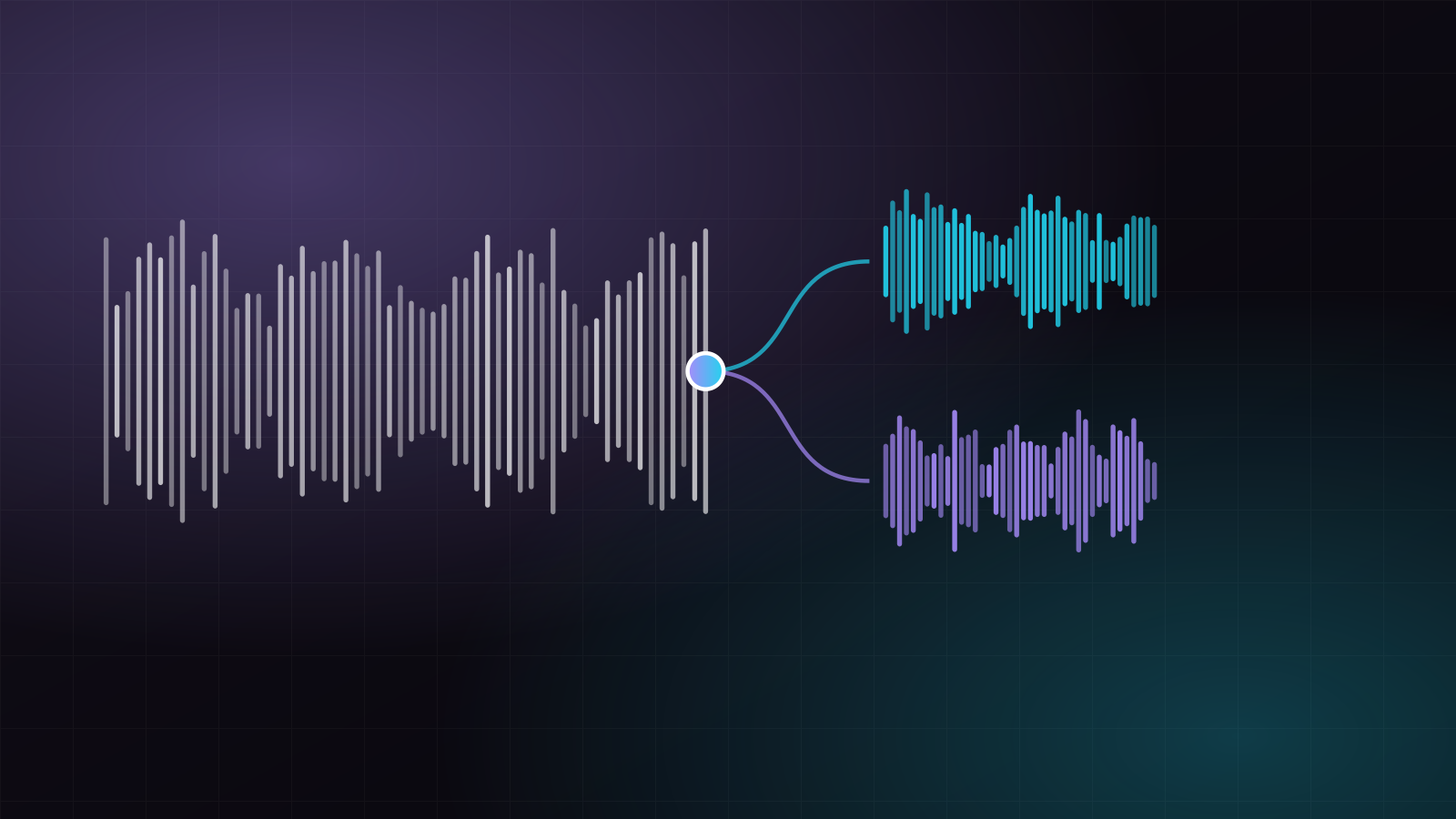
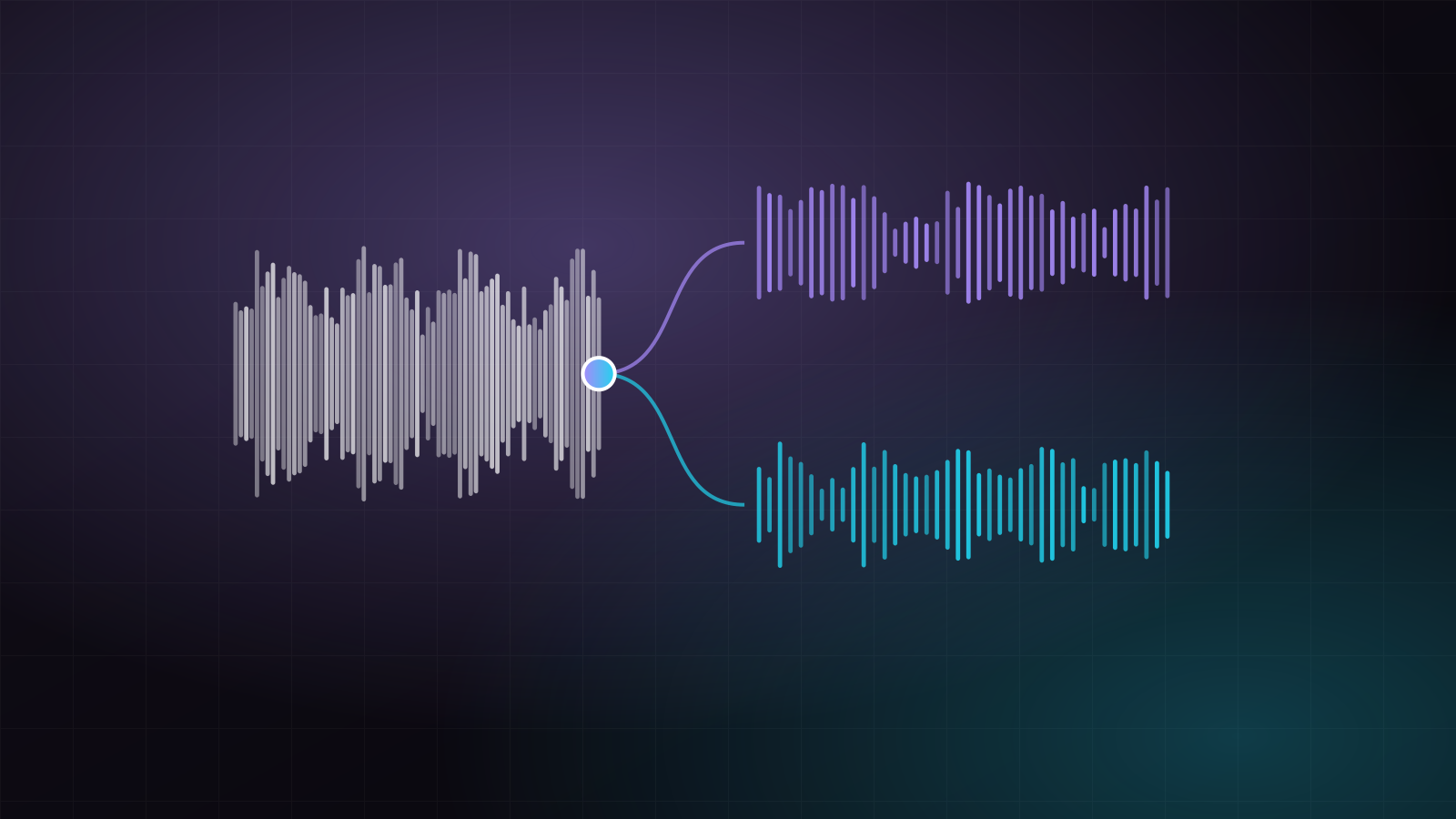
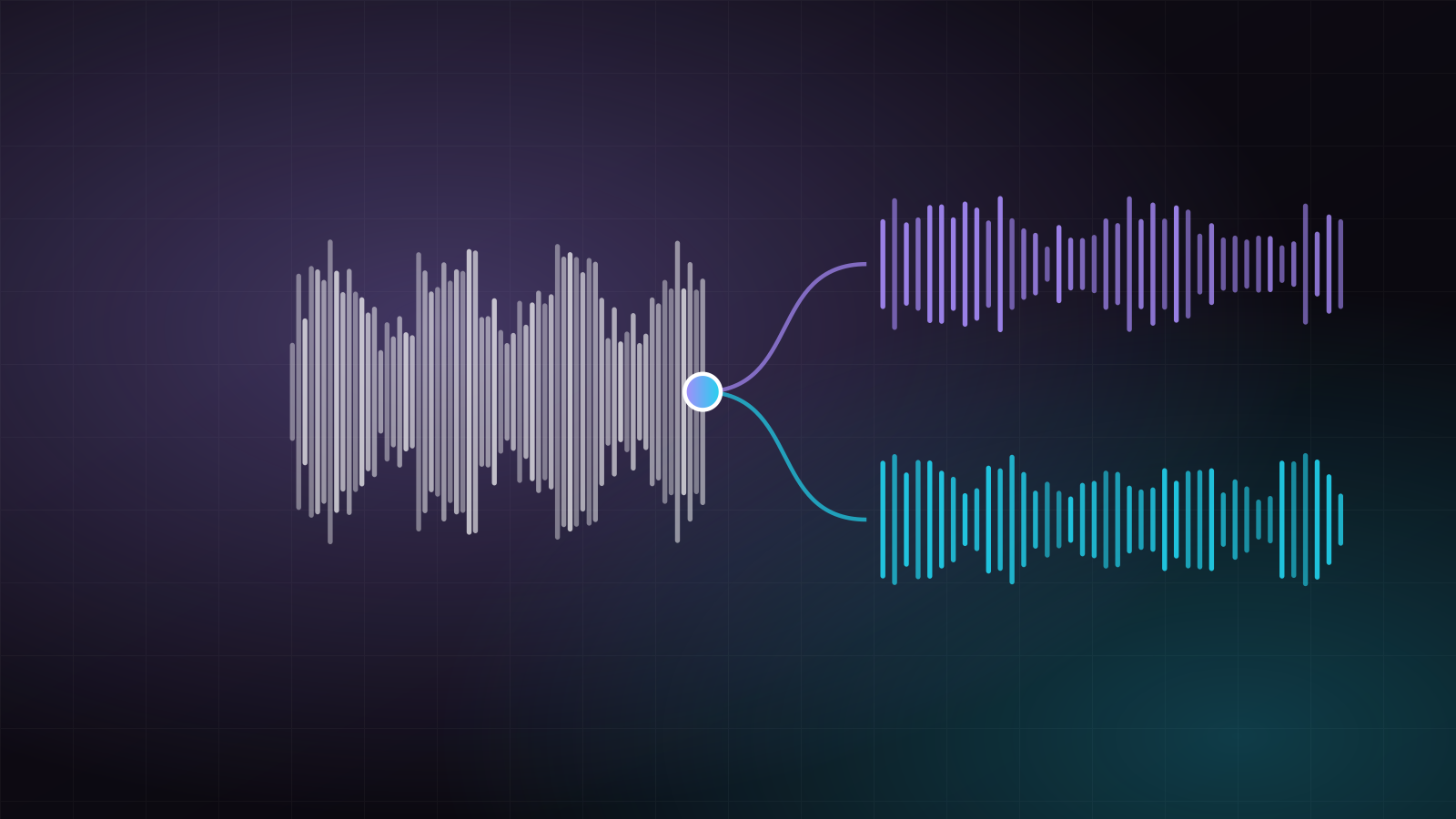
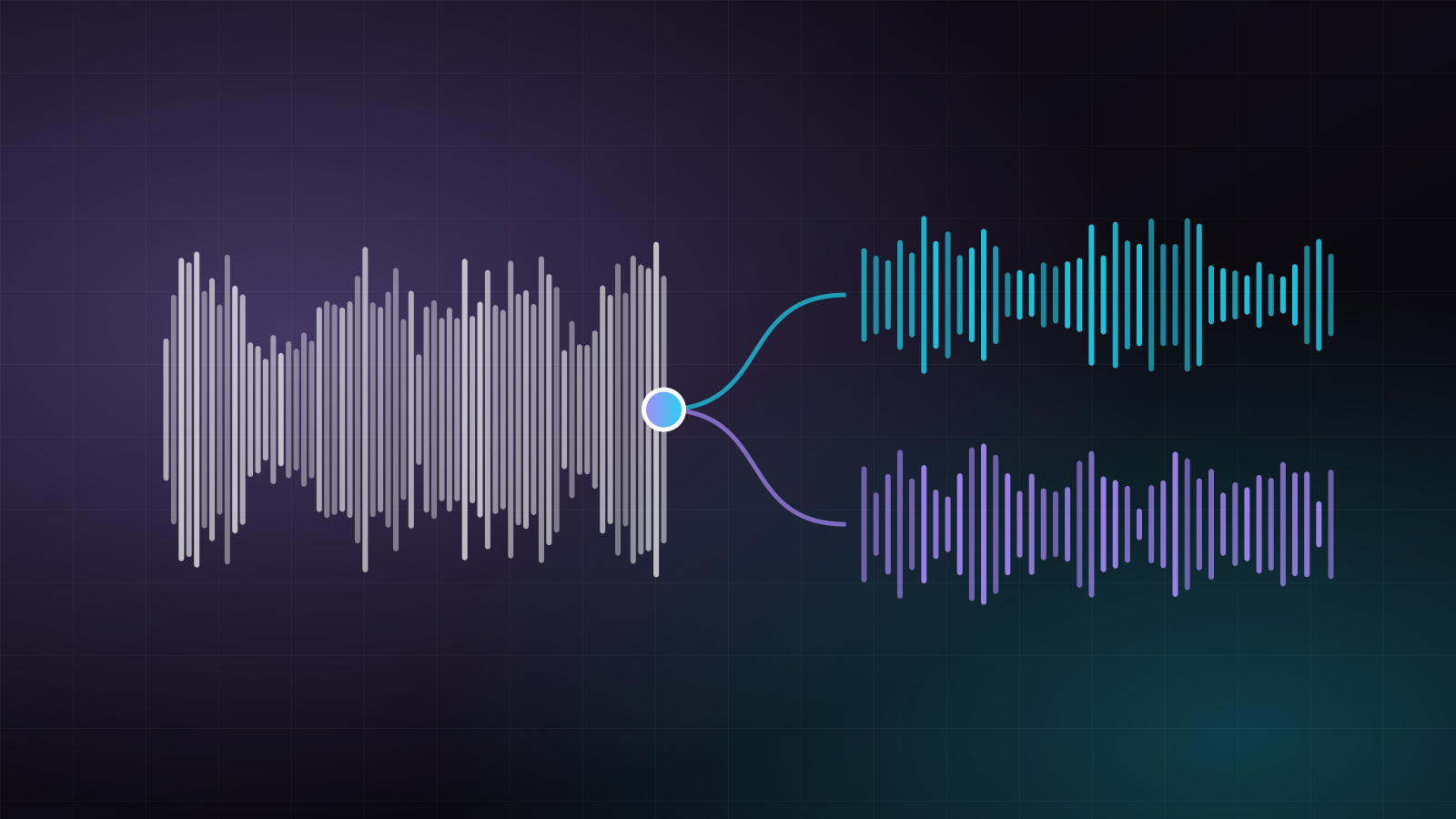
Stem separation means taking a finished, mixed song and pulling it back apart into its parts. For decades this was considered impossible — once a mix is printed, the sounds are blended into one waveform. AI has changed that, and it is now one of the most useful tools a producer can have.
What a stem actually is
A stem is a group of sounds rendered to its own audio file: all the vocals, all the drums, the bass, the music. When an artist hands over stems for a remix, they bounce them from the original session. Separation tries to recreate those files from the stereo mix alone. If the term is new to you, start with what stems are and how they are used.
How the separation works
A separation model is trained on huge numbers of songs where the original stems are known. It turns audio into a spectrogram — a picture of which frequencies are present at each moment — and learns which parts of that picture belong to each source. For every tiny slice of time and frequency it predicts how much belongs to the voice and how much to everything else, then rebuilds audio from those predictions.
The most reliable split, by far, is vocal versus instrumental. Voices have a very distinctive shape, so models separate them cleanly. That is exactly what the HOPEX stem splitter does: one vocal file and one instrumental file, ready to use.
Why some songs split better than others
- Sparse arrangements separate best. A voice over a piano and drums is easy; a voice buried in distorted guitars is hard.
- Heavy effects blur the line. Long reverbs, choruses and vocoders spread the vocal into the same space as the music.
- Source quality matters. Low-bitrate files have smeared high frequencies that confuse the model.
- Similar sounds overlap. A synth lead in the same range as the singer can be partly mistaken for voice.
The artefacts to expect
When the model is unsure, you hear it. Typical artefacts are a watery or metallic sheen on the vocal, cymbals that sound slightly underwater, and short fragments of voice left in the instrumental during loud passages. They are most obvious when a stem is soloed and least obvious once it sits in a new mix.
What producers use it for
- Remixes and edits — take the acapella and build a new beat under it.
- Sampling — isolate a musical phrase without the singer over it.
- Practice — mute the vocal to sing or rap along, or mute the music to study a vocal performance.
- Reference study — hear how a vocal was compressed and EQ'd when it is on its own.
- Recovering old work — if you lost the session of your own song, separation can get you usable parts back.
A realistic expectation
Separated stems are very good, not identical to the originals. Treat them as raw material: tidy them with a little EQ, fade out leftover noise in gaps, and judge them in the context of the new track. And remember that separating a song does not give you the rights to it — releasing a remix still needs permission from the owners.
Split a song into vocal and instrumental →Two clean stems from any track, ready to drop into your DAW.Frequently asked questions
Is AI stem separation perfect?
No. It is very good, especially for vocals, but you may hear small artefacts when a stem is soloed. They usually disappear in a new mix.
What stems does the HOPEX stem splitter give?
Two: the vocal on its own and the instrumental without it.
Can I release music made from separated stems?
Only with permission from whoever owns the original recording and composition. Separation is a technical process, not a licence.
Want to try it on your own track? See all the free music tools — no account needed.